Many women in their younger years feel surprised when heavy periods, bloating, or pelvic discomfort lead to a conversation about uterine fibroids. These non-cancerous growths in the uterus used to be more common in the 40s and beyond, but doctors now see them appearing earlier, sometimes silently building over time. The quiet frustration of dealing with unpredictable symptoms while juggling work, relationships, and daily life can feel overwhelming.
But here’s the encouraging part: emerging insights show that simple shifts in daily routines, especially food choices, may play a supportive role in hormonal balance. And toward the end of this guide, we’ll uncover one often-overlooked habit that ties it all together—stay with me to discover it.
Understanding Uterine Fibroids and the Shifting Trend
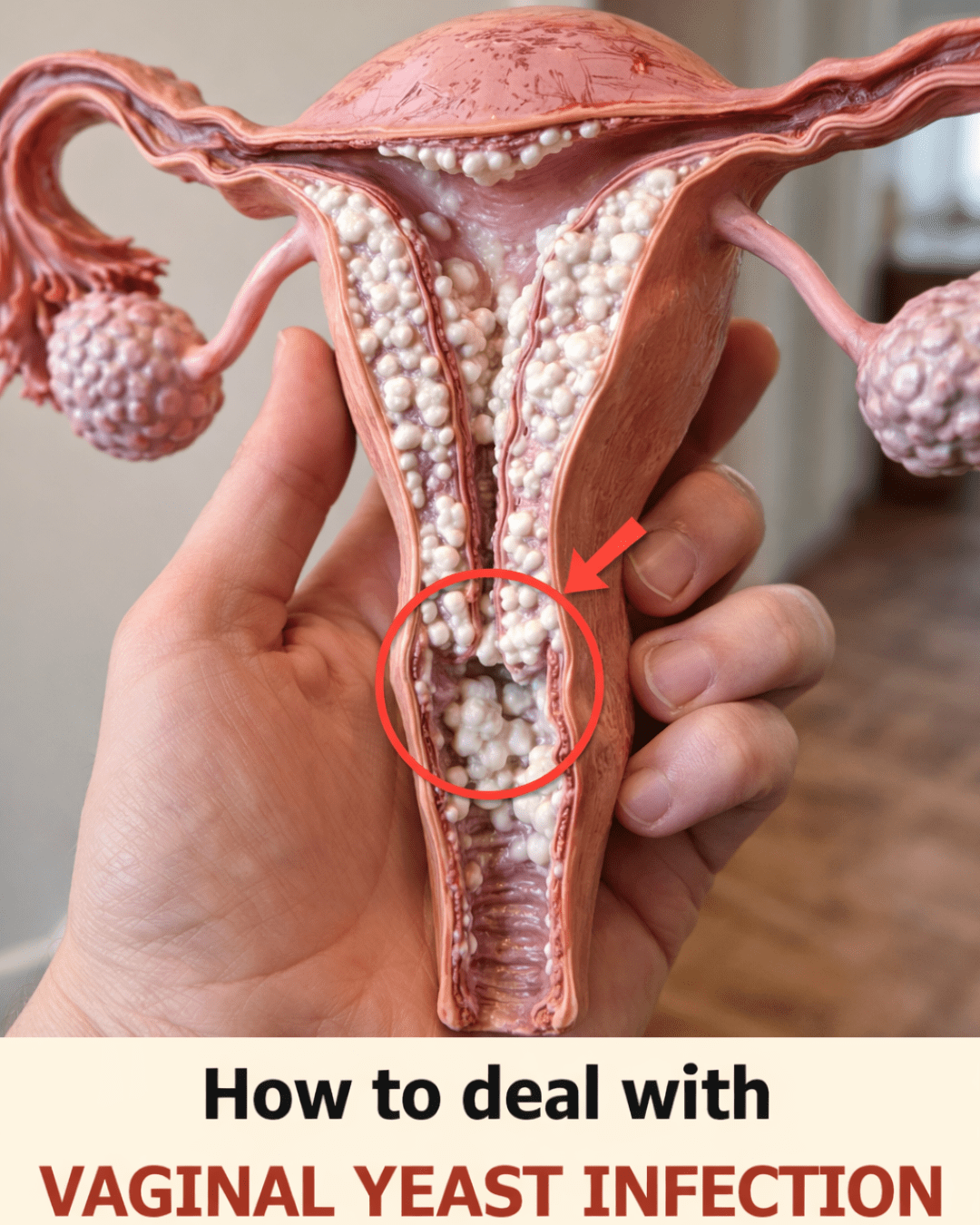
Uterine fibroids, also known as leiomyomas, are benign growths that develop in the muscular wall of the uterus. They affect up to 70-80% of women by age 50, with higher rates in certain groups.
Research indicates fibroids are hormone-sensitive, responding particularly to estrogen. While they often cause no issues, symptoms like heavy bleeding, pain, or pressure can impact daily life.
Experts note a pattern where fibroids may start forming earlier due to modern lifestyle factors. Studies suggest environmental influences and dietary patterns contribute alongside genetics.
This doesn’t mean every woman will face them, but awareness helps. Small, consistent choices can support overall uterine health.
How Modern Diets May Influence Estrogen Levels
Fibroids thrive in environments with prolonged estrogen exposure. The body naturally produces estrogen, but certain foods and habits can add to the load.
Conventional animal products sometimes carry hormone residues from farming practices. Ultra-processed items and excess fats may also play a role by affecting how the body handles hormones.
Research shows diets high in processed foods and low in fiber are linked to higher estrogen activity. Over time, this creates an imbalance that fibroid tissue may respond to.
The good news? Focusing on whole foods can help the body process hormones more efficiently.
Here’s a quick comparison:
| Dietary Pattern | Potential Impact on Hormones | Examples |
|---|---|---|
| High in processed foods & animal fats | May contribute to elevated estrogen signals | Fast food, sugary snacks, fried items |
| Rich in fiber & plants | Supports natural hormone metabolism | Vegetables, fruits, whole grains |
The Role of Ultra-Processed Foods in Hormonal Disruption
Packaged snacks, ready meals, and sugary beverages are convenient, but they can challenge the body’s detox systems.
The liver helps clear excess estrogen. When overloaded with additives and refined ingredients, it may struggle, leading to recirculation of hormones.
Studies link frequent consumption of these foods to inflammation and hormonal shifts. Even without weight gain, this can create conditions less favorable for uterine balance.
Swapping just a few items for fresher options can make a difference over time.
But that’s not all—another everyday factor quietly adds up…
Why Low Fiber Intake Matters for Hormone Elimination
Fiber does more than aid digestion—it binds to estrogen in the gut for removal.
Low-fiber diets, common with refined carbs and limited produce, allow more estrogen reabsorption into the bloodstream.
Research associates higher fiber intake with better hormone regulation. Women eating plenty of plants often show supportive patterns.
Aim for gradual increases:
- Start with adding berries to breakfast.
- Include beans or lentils in lunches.
- Choose whole grains over white versions.
These steps feel manageable and build over weeks.
Endocrine Disruptors Hiding in Daily Exposures
Certain chemicals in plastics, packaging, and products can mimic estrogen, interacting with the same pathways fibroids use.
Common sources include BPA in some cans, phthalates in flexible plastics, and residues on produce.
Studies suggest cumulative exposure may influence fibroid development. While unavoidable entirely, mindful choices reduce it.
Practical tips:
- Opt for fresh or frozen over canned when possible.
- Use glass or stainless steel for storage.
- Wash fruits and vegetables thoroughly.
Small swaps add up without overhauling everything.
Chronic Inflammation and Its Quiet Effects
Inflammation creates an environment where abnormal growths may flourish.
Diets heavy in fried foods, refined sugars, and processed items promote ongoing low-level inflammation.
Research links these patterns to conditions that challenge uterine tissue health.
Anti-inflammatory choices like colorful produce and healthy fats help counter this naturally.
This is where food truly shines as daily support.
Red Meat Consumption and Observational Links
Large studies observe higher red meat intake, especially processed varieties, associated with increased fibroid risk.
Possible reasons include effects on oxidative stress and displacement of plant foods.
It doesn’t require elimination—just moderation and balance with more vegetables.
Many women find leaning toward plant-forward meals feels energizing.
Everyday Foods That May Support Hormonal Balance
No food single-handedly changes outcomes, but patterns rich in certain items show promise in research.
Focus on these for gentle support:
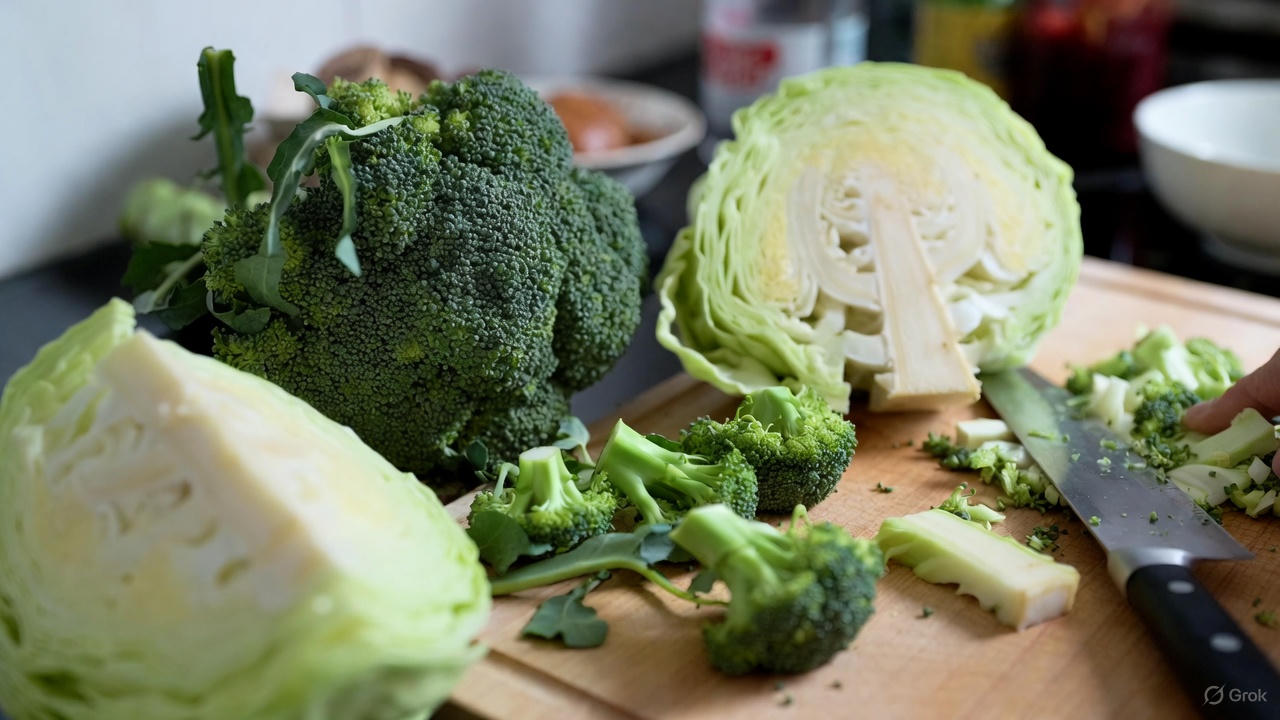
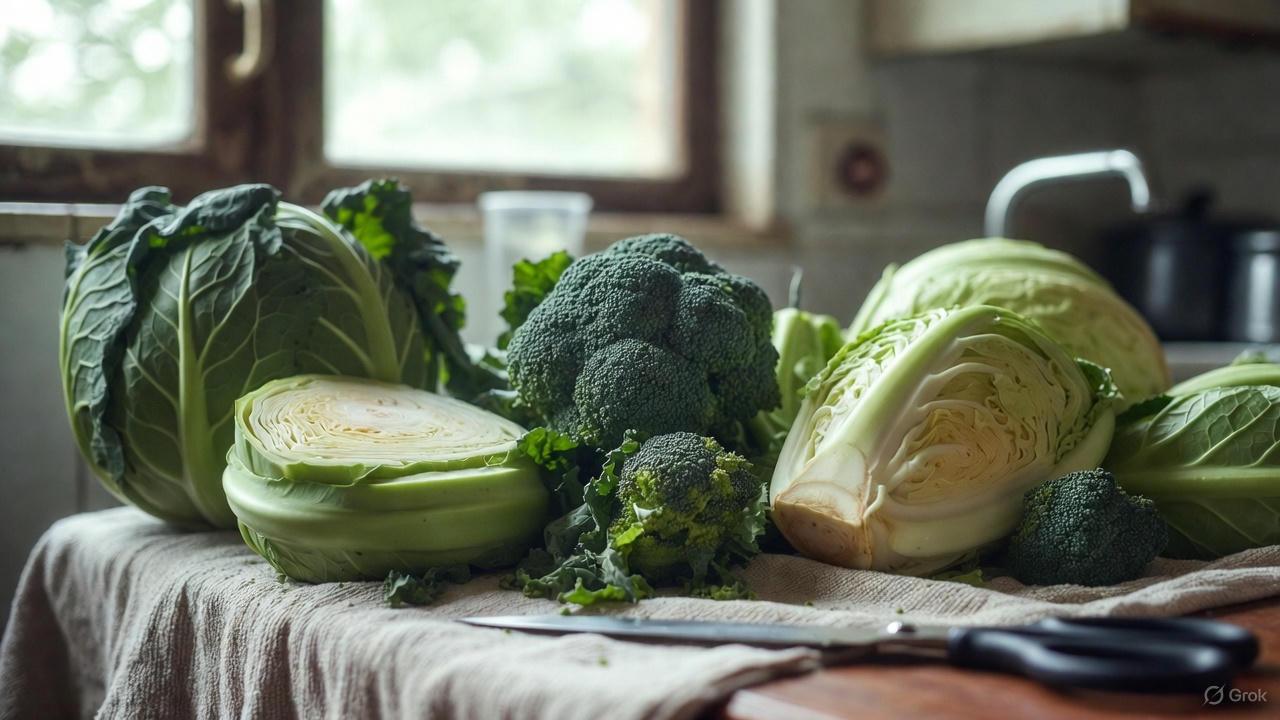
- Cruciferous vegetables (broccoli, cabbage, Brussels sprouts): Help with estrogen metabolism.
- Fiber-rich fruits (berries, apples, citrus): Aid elimination and antioxidants.
- Legumes (beans, lentils): Provide plant protein and fiber.
- Whole grains (oats, quinoa, brown rice): Stabilize blood sugar.
- Omega-3 sources (fatty fish like salmon, or flaxseeds): Reduce inflammation.
- Healthy fats (olive oil, avocados): Support overall wellness.
A simple plate guide: Half vegetables, quarter whole grains, quarter protein—mostly plants.
Studies on Mediterranean-style eating highlight benefits for hormone-related conditions.
Actionable Steps to Incorporate Supportive Habits
Ready to start? Here’s a step-by-step approach:
- Track your current meals for a week—no judgment, just awareness.
- Add one new vegetable or fruit daily.
- Experiment with meatless days twice a week.
- Read labels to spot ultra-processed items.
- Hydrate well and include herbal teas.
- Move gently most days—walking supports circulation.
These build momentum without pressure.
And remember that overlooked habit? It’s consistency—small daily choices compound into meaningful support over months and years.
In Summary: Empowering Choices for Long-Term Wellness
Daily habits, especially around food, influence the hormonal environment over time. By prioritizing whole, fiber-rich plants and minimizing processed items, many women support their body’s natural balance.
This isn’t about perfection—it’s about progress and listening to your body.
Frequently Asked Questions
At what age do uterine fibroids typically start developing?
They can begin forming in the 20s or 30s, though symptoms often appear later. Regular check-ups help monitor changes.
Can diet alone prevent or manage fibroids?
Diet supports overall health and hormone balance but isn’t a standalone solution. Combine with lifestyle factors for best results.
Are there specific foods proven to shrink fibroids?
No single food shrinks them, but research links plant-rich diets to supportive outcomes. Focus on patterns, not miracles.
Disclaimer: This information is for educational purposes only and is not medical advice. Uterine fibroids require professional evaluation. Always consult a qualified healthcare provider for personalized guidance, diagnosis, or management decisions.