As we age past 60, many people notice their bones don’t feel as strong as they once did, with occasional aches or worries about simple daily activities. This quiet change can make everyday tasks like gardening or playing with grandchildren feel riskier, leading to unnecessary caution and frustration. The good news is that supporting bone health doesn’t always require expensive supplements or major diet overhauls.
What if a simple, inexpensive pantry item could provide a natural combination of nutrients that research suggests may help maintain bone strength? Keep reading to discover this often-overlooked option and why it deserves a spot in your routine.
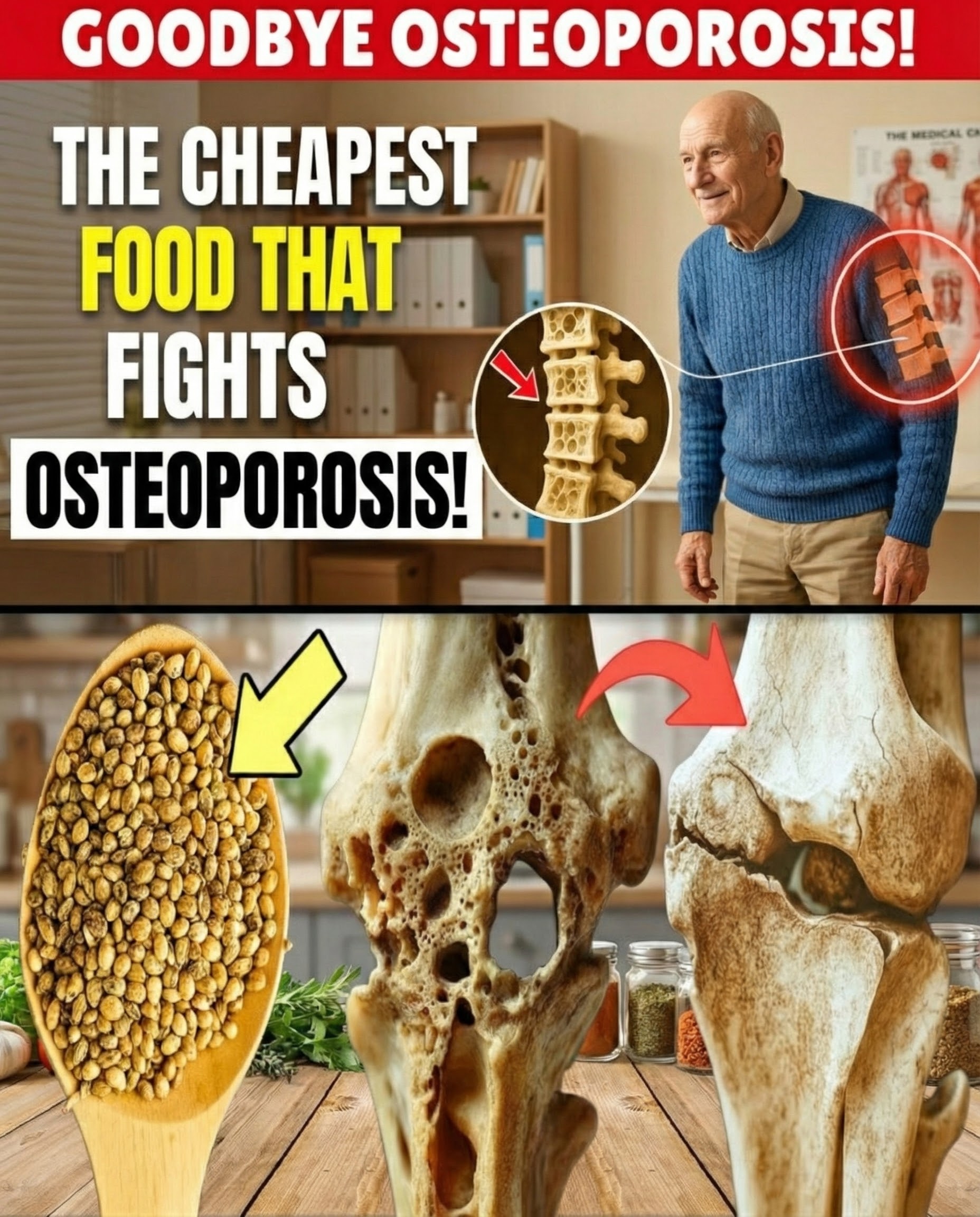
Understanding Bone Health Changes After Age 60
Bone density naturally declines with age, and this process can speed up after 60 due to hormonal shifts and reduced nutrient absorption.
Many adults in this age group don’t get enough of key bone-supporting nutrients from their daily meals, even if they try to eat well.
Research shows that adequate intake of certain minerals and vitamins plays a role in helping maintain healthy bones over time.
But filling these gaps doesn’t have to be complicated or costly.
The Nutrient Powerhouse Hiding in Plain Sight: Canned Sardines
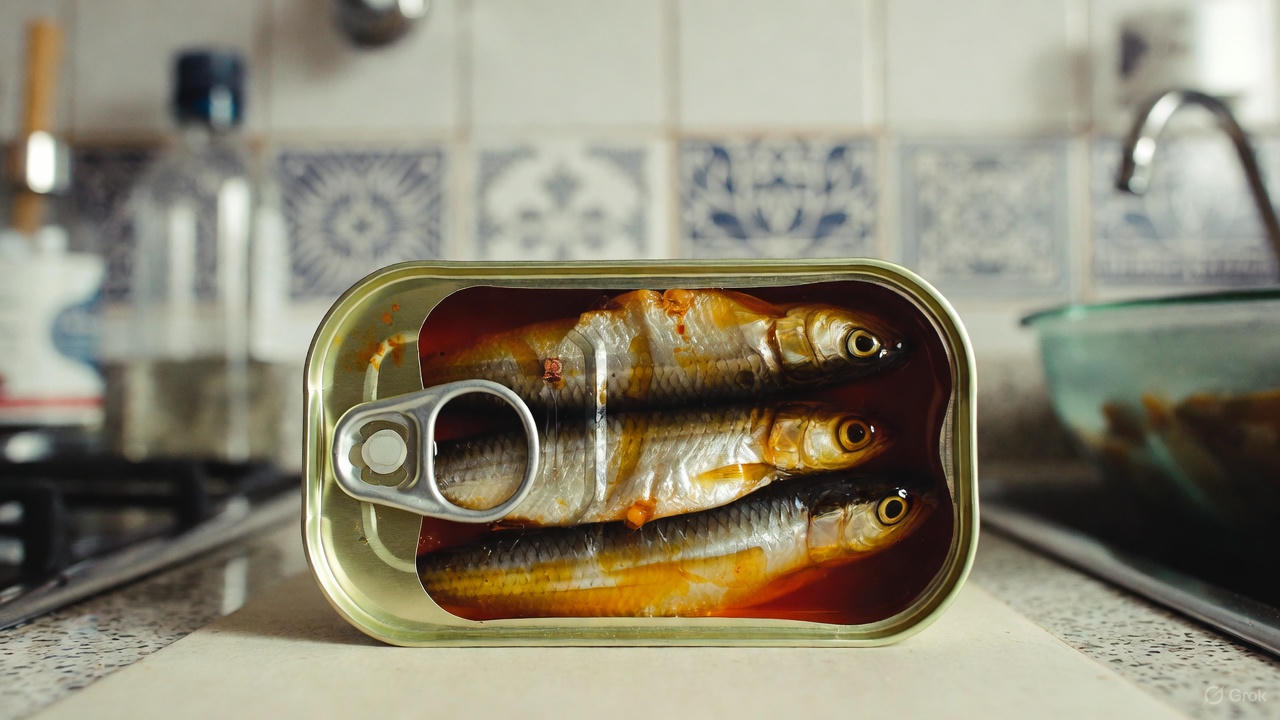
Canned sardines with bones are one of the most affordable sources of highly absorbable calcium available.
A typical 3.75-ounce can provides around 325–350 mg of calcium—about one-third of the daily recommendation for adults over 50—along with natural vitamin D to aid absorption.
These small fish also deliver omega-3 fatty acids, high-quality protein, and other minerals that work together in ways isolated supplements often can’t match.
Studies on fatty fish consumption suggest potential benefits for bone metabolism and overall skeletal health.
The best part? Most cans cost under $2, making them accessible for almost any budget.
Key Nutrients in Sardines That May Support Strong Bones
Here’s what makes sardines stand out when it comes to bone-friendly nutrition:
- Calcium from edible bones: Easily absorbed form that rivals dairy sources
- Natural vitamin D: Helps the body use calcium more effectively
- Omega-3 fatty acids: Known for their anti-inflammatory properties that may protect bone tissue
- Complete protein: Supports muscle strength, which in turn helps stabilize bones
- Magnesium and phosphorus: Essential minerals for bone structure and mineralization
- Selenium: An antioxidant that research links to better bone health markers
This whole-food combination means the nutrients can work synergistically, potentially offering broader support than single-nutrient supplements.

How Sardines Compare to Other Common Sources
Let’s look at how canned sardines stack up against popular alternatives:
| Food Source | Serving Size | Calcium (mg) | Vitamin D (IU) | Approx. Cost per Serving |
|---|---|---|---|---|
| Canned Sardines (with bones) | 3.75 oz can | 325–350 | ~170 | $1–2 |
| Fortified Milk | 8 oz glass | ~300 | ~100 | $0.50–1 |
| Plain Yogurt | 6 oz container | 200–300 | Varies | $1–2 |
| Calcium Supplement | 1 tablet | 500–600 | Usually none | $0.20–0.50 |
Sardines provide a natural mix of co-nutrients at a competitive price, especially when compared to buying multiple separate supplements.
Simple Ways to Add Sardines to Your Weekly Meals
Starting with sardines doesn’t require fancy recipes. Here are practical steps to incorporate them safely:
- Choose the right type – Opt for sardines packed in water or olive oil with bones included for maximum benefits
- Start small – Begin with 1–2 servings per week to see how your body responds
- Keep sodium in mind – Select low-sodium varieties if you’re watching salt intake
- Store properly – Refrigerate after opening and consume within a few days
- Pair thoughtfully – Combine with lemon juice, fresh herbs, or vegetables to enhance flavor
Many people find milder varieties (like those in olive oil) easier to enjoy at first.
Delicious and Easy Sardine Recipe Ideas
Try these simple preparations that take minutes:
- Mash sardines with avocado and spread on whole-grain toast for a creamy, satisfying breakfast
- Add to mixed greens with tomatoes, cucumbers, and a light vinaigrette for a quick lunch salad
- Mix into pasta with garlic, olive oil, and spinach for an effortless dinner
- Top whole-grain crackers with sardines and a slice of cucumber for an easy snack
These options help mask any strong fish flavor while keeping preparation minimal.
But that’s not all—many people report feeling more energetic and confident in their movements after regularly including sardines.
Addressing Common Concerns About Sardines
Worries about taste or safety keep some seniors from trying sardines. Here’s the reality:
Mercury levels in sardines are typically very low because they’re small fish low on the food chain.
The bones in canned sardines are soft and edible—most people don’t even notice them after mashing or mixing.
If fish flavor is a concern, starting with premium brands packed in olive oil often makes the transition easier.
Always choose reputable brands and check expiration dates for quality.
Real-Life Experiences Shared by Seniors
Many adults over 60 who’ve added sardines report positive changes in how they feel day-to-day.
Some mention improved ease with daily activities after consistent inclusion in their meals.
Others appreciate the convenience and cost savings compared to multiple supplements.
Of course, individual experiences vary, and sardines work best as part of an overall healthy lifestyle.
The key seems to be consistency combined with other bone-friendly habits like weight-bearing exercise and adequate sunlight exposure.
Tips for Getting the Most Benefit
To maximize potential advantages:
- Aim for 2–3 servings of fatty fish weekly, as suggested by general dietary guidelines
- Combine sardines with vitamin C-rich foods (like bell peppers or citrus) to enhance mineral absorption
- Include weight-bearing activities like walking or light strength training
- Stay hydrated and maintain a balanced diet overall
- Track how you feel over several weeks rather than expecting overnight changes
Small, sustainable changes often yield the best long-term results.
Conclusion: A Simple Addition Worth Considering
Canned sardines offer an affordable, nutrient-dense option that many seniors haven’t fully explored for supporting bone health.
With their unique combination of calcium, vitamin D, omega-3s, and other essential minerals, they provide a natural alternative to more expensive choices.
Starting with just one or two cans per week could be an easy way to add valuable nutrients to your diet.
Your bones support you every day—giving them consistent, quality nutrition is one meaningful way to return the favor.
Frequently Asked Questions
Are canned sardines safe to eat regularly?
Yes, for most people. Sardines are low in mercury and considered safe for regular consumption. Choose low-sodium options if needed and start gradually.
Do I need to eat the bones in canned sardines?
The soft, edible bones are where much of the calcium comes from. Most people mash them in without noticing, but you can remove them if preferred (though this reduces calcium content).
Can sardines replace calcium supplements entirely?
They’re a excellent food source of calcium and co-nutrients, but they’re not meant to replace prescribed medications or supplements. Always discuss changes with your healthcare provider.
This article is for informational purposes only and is not a substitute for professional medical advice. Please consult your healthcare provider before making significant dietary changes, especially if you have existing health conditions or take medications.