
Many people scoop out and toss the small black seeds from a fresh papaya without a second thought, focusing only on the sweet, juicy flesh. This everyday habit wastes a nutrient-packed part of the fruit that has sparked interest in natural wellness circles. The seeds offer fiber, healthy fats, and various plant compounds that some studies suggest may support overall well-being when included in moderation. But before you start adding them to your routine, it’s smart to understand what the research says and how to approach them safely.
What if a simple tweak like chewing a small amount of these seeds could add something extra to your daily habits? Let’s explore the details so you can decide if it’s right for you.
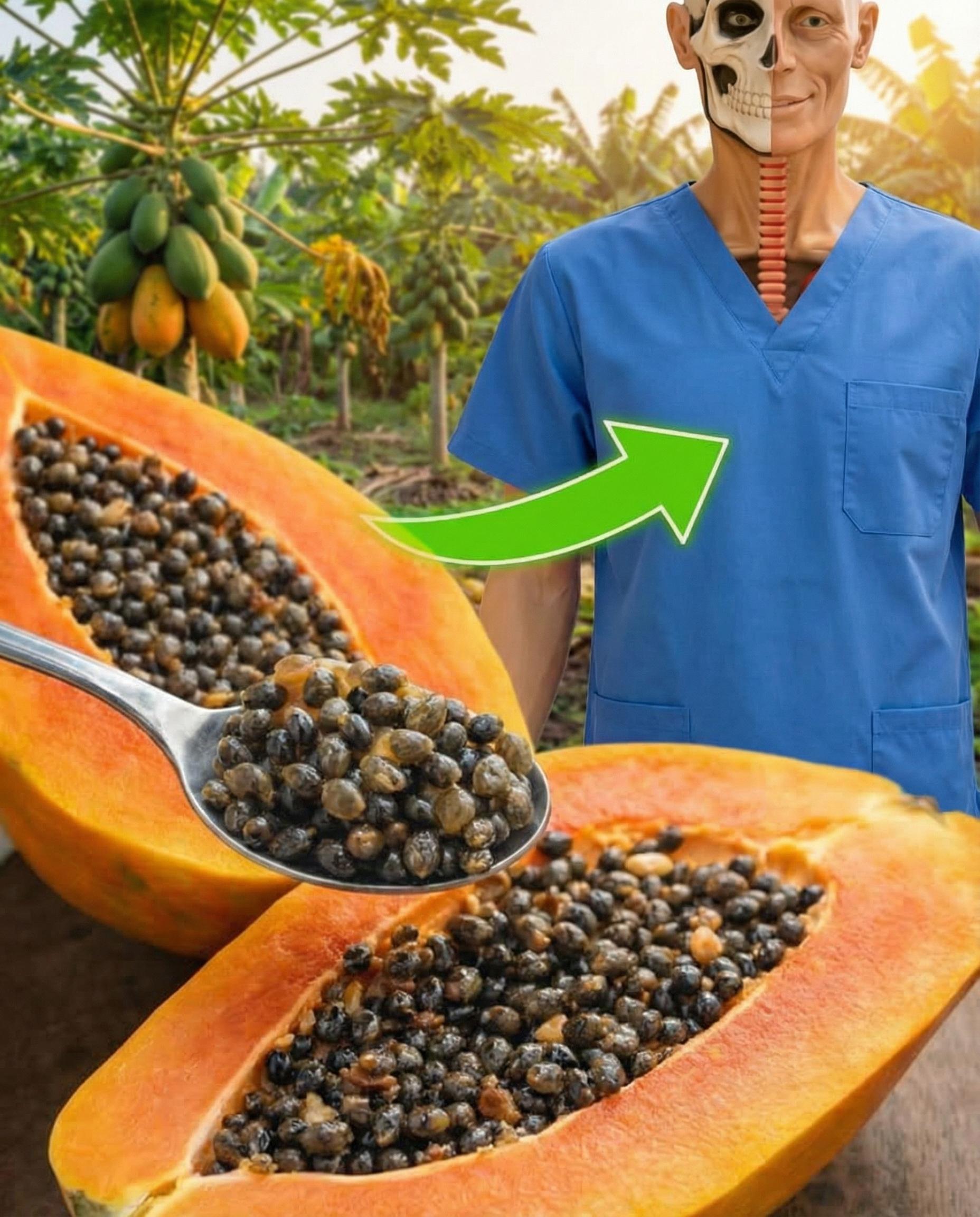
What Makes Papaya Seeds Nutritionally Interesting?
Papaya seeds are more than just something to discard. They contain monounsaturated fats similar to those found in olive oil, along with a good dose of fiber. These elements contribute to the seed’s profile as a potential addition to a balanced diet.
Research highlights the presence of polyphenols and flavonoids, natural compounds known for their antioxidant properties. Antioxidants help combat everyday oxidative stress from factors like pollution and normal metabolism. Some lab and animal studies point to these compounds supporting cellular health, though more human research is needed to confirm broader effects.
The seeds also provide small amounts of protein and other micronutrients, making them a crunchy, peppery addition that differs from the mild sweetness of the fruit itself.
Potential Ways Papaya Seeds May Support Digestive Wellness
One area that draws attention is digestion. The high fiber content in papaya seeds can promote regular bowel movements and help maintain gut comfort. Fiber adds bulk to stool, which may ease occasional constipation and support smoother digestion overall.
Traditional uses and some small-scale studies have explored papaya seeds for their possible role in maintaining a healthy intestinal environment. For example, a pilot study on children suggested air-dried seeds might influence certain parasites, but experts emphasize that evidence remains limited and not a substitute for medical treatment.
Here are a few ways the fiber and natural compounds might help your gut feel better:
- Encourages regularity without harsh laxatives
- Supports a balanced gut microbiome through prebiotic-like effects
- May reduce occasional bloating when consumed mindfully
But that’s not the whole story…
The Antioxidant Side of Papaya Seeds
Papaya seeds contain benzyl isothiocyanate and other phytochemicals also found in cruciferous vegetables like broccoli. Test-tube and animal research suggests these may offer protective effects against oxidative damage.
Studies on extracts show potential to support liver and kidney function in lab settings, possibly by helping manage everyday stress on these organs. One animal study noted protective effects on kidney cells, while others highlighted antioxidant activity that could contribute to general wellness.
This makes papaya seeds intriguing for those looking to boost daily antioxidant intake naturally, alongside fruits, veggies, and other whole foods.
How to Start Chewing Papaya Seeds Safely (Step-by-Step Guide)
Ready to give it a try? Moderation is essential, as high amounts may cause digestive discomfort. Most sources recommend starting small and not exceeding about 1 teaspoon per day.
Follow these easy steps to incorporate them:
- Choose a ripe papaya: Scoop out the seeds from the center.
- Rinse them gently under water to remove any residue.
- Start with 3–4 seeds: Chew them well (they have a peppery, slightly bitter taste like black pepper).
- Gradually increase: Build up to ½–1 teaspoon over a week or two.
- Mix if needed: Blend into smoothies, sprinkle ground seeds on yogurt, or mix with honey to mellow the flavor.
- Store extras: Dry them in a low oven or air-dry, then keep in an airtight jar for up to a month.
Always listen to your body—if you notice any upset, reduce the amount or pause.
What Science Says (and What It Doesn’t)
While promising, much of the research on papaya seeds comes from lab, animal, or small human studies. Larger, long-term human trials are still needed to fully understand benefits.
Experts from sources like Healthline note that while compounds show potential in test-tube settings, real-world effects vary. The seeds are not a cure or treatment for any condition—think of them as a complementary food choice in a varied diet.
Possible Things to Keep in Mind Before Starting
Like any food, papaya seeds aren’t for everyone. Some people experience mild stomach upset if they consume too much too soon. Animal studies have raised questions about high-dose effects on fertility, so those planning pregnancy should be cautious.
Avoid if you’re pregnant, breastfeeding, or have latex allergies, as papaya contains related compounds. If you take medications (like blood thinners), check with a healthcare provider first.
Quick Comparison: Papaya Fruit vs. Seeds
| Aspect | Papaya Fruit Flesh | Papaya Seeds |
|---|---|---|
| Taste | Sweet, juicy | Peppery, bitter |
| Main Nutrients | Vitamins A, C, folate | Fiber, healthy fats, antioxidants |
| Common Use | Eating fresh, smoothies | Chewing small amounts, seasoning |
| Texture | Soft | Crunchy |
| Daily Amount | 1–2 cups easy | ½–1 tsp max |
This side-by-side shows how the seeds complement rather than replace the fruit.
Wrapping It Up: A Simple Addition Worth Considering?
Adding a few papaya seeds to your day is an easy, low-cost way to explore more of what nature provides. With their fiber for digestion, antioxidants for everyday protection, and unique flavor, they offer something different from typical snacks. Start slow, stay moderate, and enjoy the process of discovering what works for you.
Frequently Asked Questions
How many papaya seeds should I chew per day? Most recommendations suggest starting with 3–4 seeds and working up to about 1 teaspoon daily. This keeps things gentle and avoids potential discomfort.
Can I eat papaya seeds every day? Yes, in small amounts as part of a balanced diet. Monitor how your body responds and consult a professional if needed.
Do papaya seeds taste bad? They have a strong, peppery flavor—some love it as a natural spice substitute, others mix them with honey or smoothies to soften the bite.
Disclaimer: This article is for informational purposes only and not intended as medical advice. Always consult a qualified healthcare professional before making changes to your diet, especially if you have health conditions, are pregnant, or take medications. Individual results may vary, and papaya seeds are not a substitute for professional treatment.


