
You’ve likely experienced that odd moment when a tiny white lump pops out from the back of your throat, carrying an unpleasant odor that lingers despite your best brushing efforts. This common issue can make you self-conscious during conversations or close interactions, turning simple social moments into sources of quiet worry. While it’s frustrating, understanding the basics behind these formations can empower you to manage them better, and by the end of this article, you’ll uncover a surprising everyday habit that might just keep them at bay for good.
Understanding the Basics of These Mysterious Mouth Formations
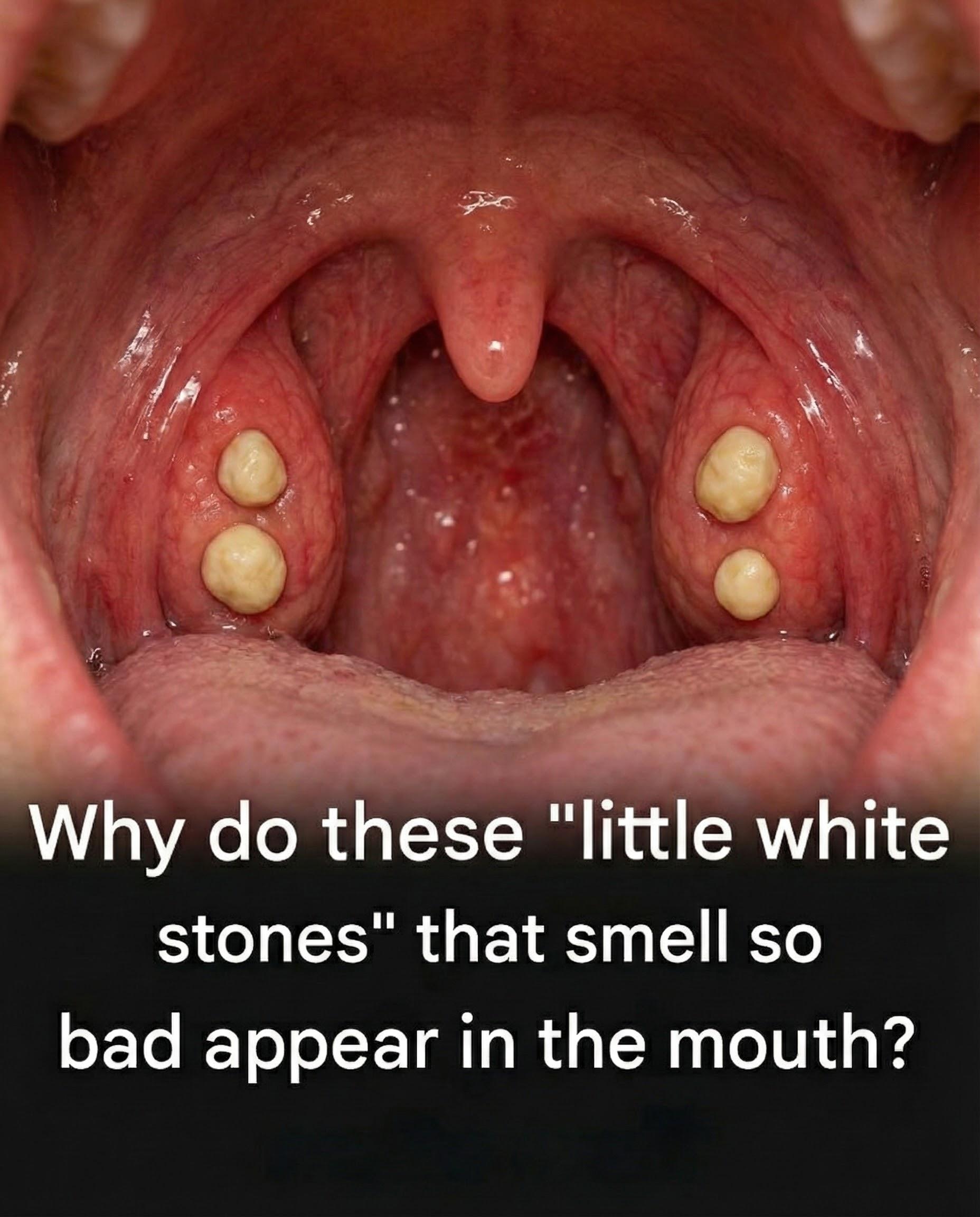
Let’s start with the fundamentals. These small, white stones, often called tonsil stones or tonsilloliths, form in the crevices of your tonsils. They’re essentially hardened clusters of debris that build up over time.
But what exactly makes them up? Research from sources like the American Academy of Otolaryngology shows they’re a mix of food particles, dead cells, and bacteria that get trapped. Over time, minerals from saliva harden this mix into stone-like lumps.
Sensation-wise, they might feel like something’s stuck in your throat. And that smell? It comes from the bacteria breaking down the trapped material, leading to bad breath that’s hard to mask.
Here’s the thing: Not everyone gets them. Factors like tonsil structure play a role—deeper pockets mean more trapping spots.
Common Signs That Point to Tonsil Stones
Spotting these stones early can make a difference in how you handle them. One key sign is persistent bad breath, even after thorough oral care routines.
You might also notice a scratchy feeling or mild irritation in your throat. Swallowing could feel slightly off, like there’s a small obstruction.
In some cases, a dry cough pops up as your body tries to dislodge them naturally. Studies indicate that frequent tonsil inflammation can accompany this.
But that’s not all—visible white spots on your tonsils during a mirror check are a giveaway. If you see them, it’s worth paying attention.
What Causes These Stones to Form in the First Place?
Diving deeper, several everyday factors contribute to their development. Poor oral hygiene tops the list, allowing debris to accumulate unchecked.
Recurrent throat issues, like frequent colds, can enlarge tonsil crypts, creating ideal hiding spots. Dry mouth from medications or habits reduces saliva’s natural cleaning power.
Diet matters too—high-dairy or sticky foods leave more residue behind. Smoking or mouth breathing dries out the area, worsening the buildup.
Sự thật là, genetics might influence tonsil shape, making some people more prone. Recognizing these triggers is your first step toward prevention.
Simple Ways to Remove Tonsil Stones at Home
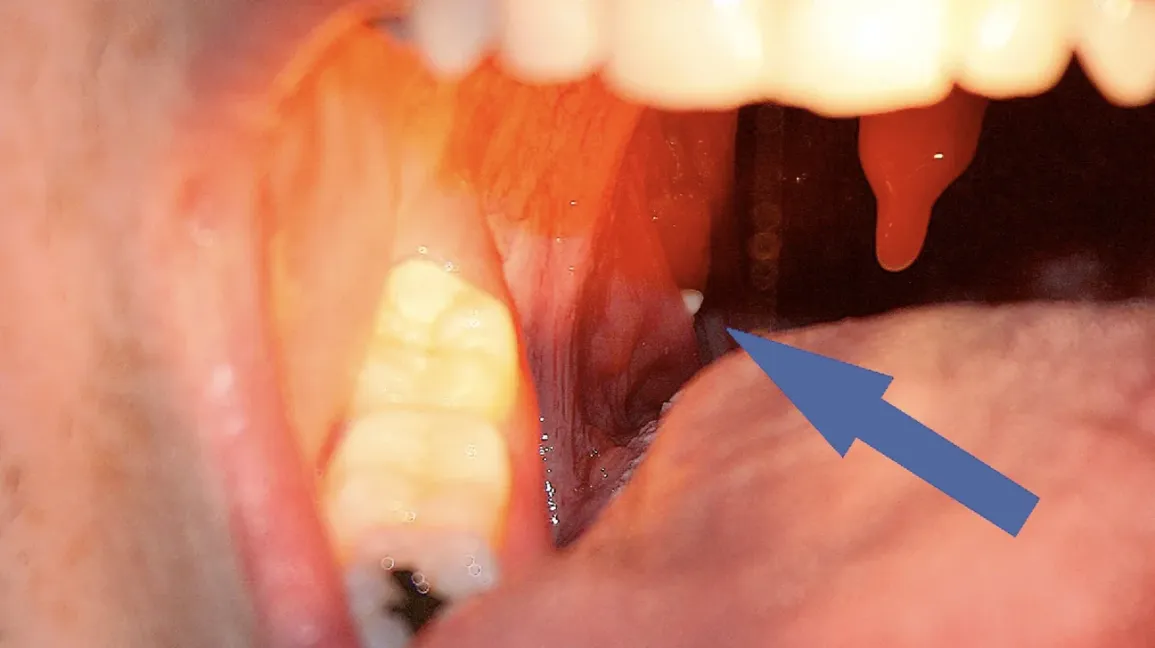
Good news: Many stones dislodge on their own, but if not, gentle methods can help. Start with gargling warm salt water to loosen them without irritation.
Use a soft-bristled toothbrush or cotton swab for careful removal—always be gentle to avoid injury. Oral irrigators direct a water stream to flush out crevices effectively.
Eating crunchy foods like carrots can naturally knock them loose during chewing. But remember, if they’re stubborn, professional help is wiser.
Here’s a quick list of home removal tips:
- Gargle with saltwater twice daily for loosening.
- Use a water flosser on low pressure for targeted cleaning.
- Cough gently to encourage natural expulsion.
- Avoid sharp tools to prevent throat damage.
These steps are straightforward and can fit into your routine easily.
Habits to Prevent Tonsil Stones from Coming Back
Prevention beats dealing with them repeatedly. Building better habits can reduce their frequency significantly.
Stay hydrated—drinking water flushes away debris and keeps saliva flowing. Brush your tongue and cheeks, not just teeth, to minimize buildup.
Incorporate antiseptic mouth rinses into your daily care. Quitting smoking or using a humidifier can combat dry mouth issues.
Diet tweaks help too: Cut back on dairy if it seems to trigger them. Regular check-ups ensure any underlying issues are caught early.
But here’s the interesting part—adding probiotic-rich foods like yogurt might balance oral bacteria, according to some studies from the Journal of Clinical Periodontology.
When Should You See a Professional About Tonsil Stones?
Most cases are manageable at home, but sometimes expert input is needed. If stones cause ongoing pain or swelling, it’s time to consult.
Frequent infections or large stones that won’t budge warrant a visit to an ear, nose, and throat specialist. They can assess and remove safely.
Procedures like tonsillectomy are rare but considered for chronic cases. Early intervention prevents complications like abscesses.
Don’t ignore persistent bad breath paired with throat discomfort—it could signal more. Professional advice ensures peace of mind.
Daily Routines That Support Throat Health Overall
Beyond stones, nurturing your throat boosts well-being. Start mornings with warm water to hydrate and clear overnight buildup.
Incorporate throat-soothing teas like chamomile for natural anti-inflammatory benefits. Avoid irritants like spicy foods if sensitive.
Exercise promotes better circulation, aiding immune function in the throat area. Stress management techniques reduce habits like mouth breathing.
Track your symptoms in a journal to spot patterns. This proactive approach keeps things in check long-term.
Consider this table for quick daily habits:
| Habit | Benefit | How to Implement |
|---|---|---|
| Hydration | Flushes debris | Drink 8 glasses daily |
| Gargling | Loosens particles | Use salt water morning/evening |
| Balanced diet | Reduces residue | Limit dairy, add veggies |
| Oral care | Prevents buildup | Brush twice, floss once |
Simple adjustments like these can transform your routine.
Exploring Natural Remedies Backed by Tradition
Many turn to natural options for support. Oil pulling with coconut oil swishes away bacteria, a practice noted in Ayurvedic traditions.
Herbal rinses using sage or thyme offer antimicrobial properties, as per herbal medicine references. These can complement daily care.
Apple cider vinegar diluted in water might help dissolve minor buildup due to its acidity. Always dilute to protect enamel.
But wait, there’s more—chewing sugar-free gum stimulates saliva, naturally cleaning the mouth. These remedies are easy to try.
Here’s a step-by-step for oil pulling:
- Take a tablespoon of coconut oil.
- Swish gently for 10-15 minutes.
- Spit out and rinse with water.
- Do this before brushing in the morning.
Consistency is key for noticeable differences.
The Impact on Daily Life and Confidence
Living with these stones can affect more than physical comfort. Bad breath might make you hesitant in social settings.
Over time, this can dent confidence during work meetings or dates. Addressing them restores that ease in interactions.
Many report feeling fresher and more at ease after managing them. It’s about reclaiming control over small annoyances.
Empathy here: You’re not alone—millions deal with this quietly. Taking action empowers you.
Wrapping Up: Key Takeaways for Better Mouth Health
In summary, those small, smelly white stones are tonsil stones formed from trapped debris in your tonsils. By understanding causes and adopting preventive habits like hydration and thorough oral care, you can minimize their occurrence. Remember that gentle home methods work for many, but professional help is available if needed. That surprising habit? Chewing crunchy veggies daily not only dislodges potential stones but boosts overall nutrition—give it a try.
Frequently Asked Questions
What exactly causes the bad smell from tonsil stones?
The odor stems from bacteria breaking down the trapped food and cells, releasing sulfur compounds. Regular cleaning helps reduce this.
Can tonsil stones go away without any intervention?
Yes, many dislodge naturally through coughing or eating. However, persistent ones might need gentle encouragement like gargling.
Are there any foods that help prevent tonsil stones?
Crunchy fruits and vegetables, along with probiotic foods, can aid in keeping the throat clear by promoting saliva and balancing bacteria.
Always consult a healthcare professional for personalized advice, as this article is for informational purposes only and not intended to diagnose or treat any condition.


