Have you ever coughed up a tiny white lump that smells absolutely awful, leaving you wondering what just happened? That unpleasant surprise, combined with lingering bad breath no matter how much you brush, can make anyone feel self-conscious and frustrated. The embarrassment of worrying about your breath during conversations or close moments adds to the discomfort, and it often feels like nothing fully resolves it. But here’s the good news: many people experience this common issue, and there are straightforward ways to manage it effectively—keep reading to discover a surprising everyday habit that could make a big difference.
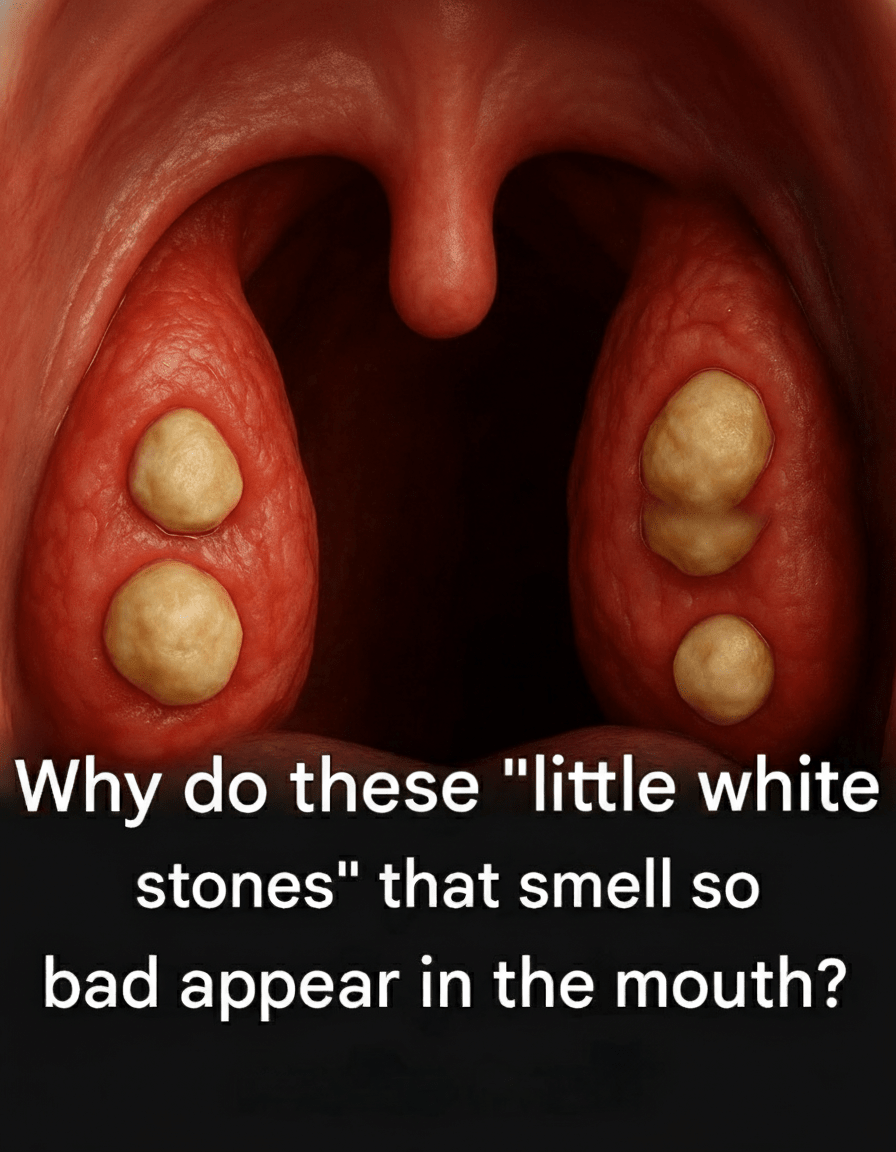
What Exactly Are These Small White Stones?
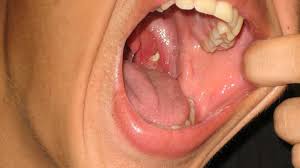
Those mysterious white or yellowish lumps are commonly known as tonsil stones, or tonsilloliths in medical terms. They form in the natural crevices (called crypts) of your tonsils—the two oval-shaped tissues at the back of your throat that help fight infections.
These stones start as trapped debris: bits of food, dead cells, mucus, and bacteria that get stuck in the tonsil pockets. Over time, this material hardens due to calcium buildup, turning into small, pebble-like formations. They’re usually tiny—about the size of a grain of rice—but can grow larger.
Research shows that tonsil stones are quite common, especially in people with deeper tonsil crypts or a history of throat inflammation. They’re generally harmless and often go unnoticed until they cause symptoms.
But that’s not all—let’s dive into why they can be so bothersome.
Why Do Tonsil Stones Smell So Bad?
The foul odor is one of the most complained-about aspects. When you dislodge one, that rotten-egg-like smell hits immediately.
Here’s why: The trapped bacteria in the stones produce volatile sulfur compounds as they break down the debris. These gases are the same ones responsible for many cases of persistent bad breath.
Studies, including those from dental and ENT specialists, indicate that tonsil stones contribute significantly to halitosis (bad breath) in people without other obvious causes. Even small stones can release these odors, making your breath noticeable despite good brushing habits.
The smell isn’t just embarrassing—it can affect confidence in social situations. This is the part where many feel stuck, but simple changes can help reduce their formation.
Common Signs You Might Have Tonsil Stones
Not everyone notices symptoms, as small stones often dislodge on their own. But when they’re present, you might experience:
- Persistent bad breath that doesn’t improve with mints or mouthwash
- A feeling like something is stuck in the back of your throat
- Mild sore throat or irritation when swallowing
- Visible white or yellow spots on your tonsils when looking in a mirror
- Occasional ear pain (due to shared nerve pathways)
- A bad taste in your mouth
If you’ve spotted these white flecks while saying “ahh” in the mirror, you’re not alone—many discover them this way.
Here’s a quick comparison to help identify them:
| Feature | Tonsil Stones | Other Throat Issues (e.g., Strep Throat) |
|---|---|---|
| Appearance | Small white/yellow lumps on tonsils | Red, swollen tonsils with white patches |
| Smell | Strong foul odor when dislodged | No specific stone-related smell |
| Pain | Usually mild or none | Often severe sore throat |
| Common Cause | Trapped debris and bacteria | Bacterial or viral infection |
This table highlights why tonsil stones are often mistaken for infections but are usually less serious.
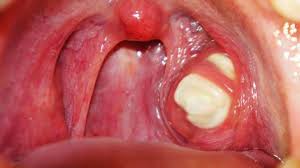
What Causes Tonsil Stones to Form?
Several factors make some people more prone:
- Deeper tonsil crypts: Natural folds in the tonsils trap more debris.
- Poor oral hygiene: Allows bacteria to build up.
- Chronic throat inflammation: From allergies, post-nasal drip, or past tonsillitis.
- Dry mouth: Reduces saliva’s natural cleansing effect.
- Diet high in dairy or sugary foods: Can increase mucus and debris.
Research from sources like Cleveland Clinic notes that people with recurrent tonsil issues or larger tonsils are at higher risk. Teenagers and adults are most affected.
The interesting part? Many stones form without any infection—it’s just the tonsils doing their job of trapping particles, but the debris lingers too long.
Simple Daily Habits to Help Reduce Tonsil Stones
The best approach focuses on keeping your mouth and throat clean to prevent buildup. Here are actionable steps you can start today:
- Brush gently twice a day: Include your tongue to remove bacteria.
- Floss daily: Clears food particles that could migrate to the throat.
- Stay hydrated: Drink plenty of water to promote saliva flow and wash away debris.
- Gargle after meals: Use warm salt water (1/2 teaspoon salt in a cup of warm water) for 30 seconds to loosen particles.
- Avoid smoking: It dries the mouth and increases irritation.
Consistency is key—these habits not only help with tonsil stones but support overall oral health.
For gentle removal if you see a stone:
- Gargle vigorously with salt water to dislodge it naturally.
- Use a soft toothbrush or cotton swab to lightly press (be very gentle to avoid injury).
- Cough forcefully if you feel one loose.
Many find relief with these non-invasive methods. Studies support saltwater gargling as an effective way to manage oral debris.
But here’s the surprising tip many overlook: Incorporating a non-alcohol mouthwash daily can further reduce bacteria without drying your mouth.
When to See a Healthcare Professional
While most tonsil stones resolve with home care, consult a doctor or ENT specialist if:
- Stones are large and cause pain or swallowing difficulty
- Bad breath persists despite good hygiene
- You have frequent throat infections
- Swelling or bleeding occurs
They can safely remove stubborn stones or discuss options for recurrent cases.
Conclusion
Tonsil stones are a common, usually benign issue caused by trapped debris hardening in your tonsils, leading to bad breath and discomfort for many. By understanding their causes and adopting consistent oral care habits—like regular gargling and hydration—you can significantly reduce their occurrence and feel more confident.
Small changes often lead to big improvements in how you feel day to day.
Frequently Asked Questions
1. Are tonsil stones contagious?
No, they’re not contagious. They’re formed from your own mouth’s debris and bacteria.
2. Can tonsil stones go away on their own?
Yes, many small ones dislodge naturally through coughing, eating, or gargling, without any intervention.
3. Do tonsil stones mean I have an infection?
Not necessarily. They can form without active infection, though chronic inflammation increases risk.
Disclaimer: This article is for informational purposes only and is not a substitute for professional medical advice. If you have concerns about your symptoms, please consult a qualified healthcare provider for personalized guidance.
(Word count: approximately 1350)