
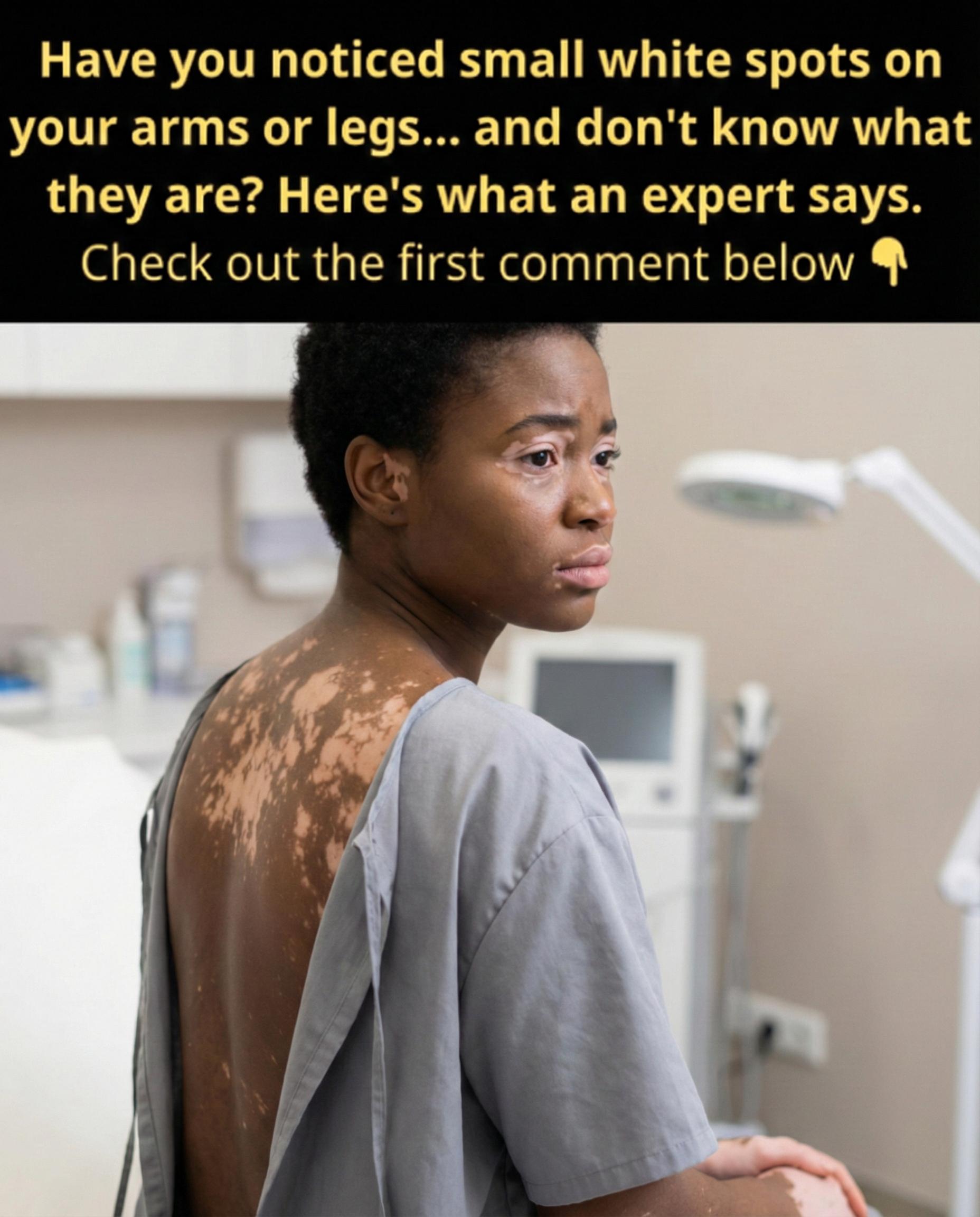
Many people notice small white or lighter spots appearing on their arms, legs, back, or chest, especially as they get older or after time spent in the sun. These patches can stand out more after tanning, leading to questions about their origin and whether everyday habits play a role. While often harmless, understanding the possible reasons behind them brings peace of mind and helps you take simple protective steps. In this guide, we’ll explore the most common causes based on reliable dermatological insights and share practical ways to care for your skin moving forward. And later, you’ll discover one everyday habit that supports skin health across many of these situations.
What Causes White Spots on the Skin?
White spots, also known as hypopigmented areas, occur when the skin produces less melanin—the pigment that gives skin its color. This can happen due to various factors, from environmental exposure to common skin processes. Research from sources like Cleveland Clinic and Mayo Clinic highlights that these changes are frequently benign, though their appearance prompts many to learn more.
Tinea Versicolor: A Frequent Fungal-Related Cause
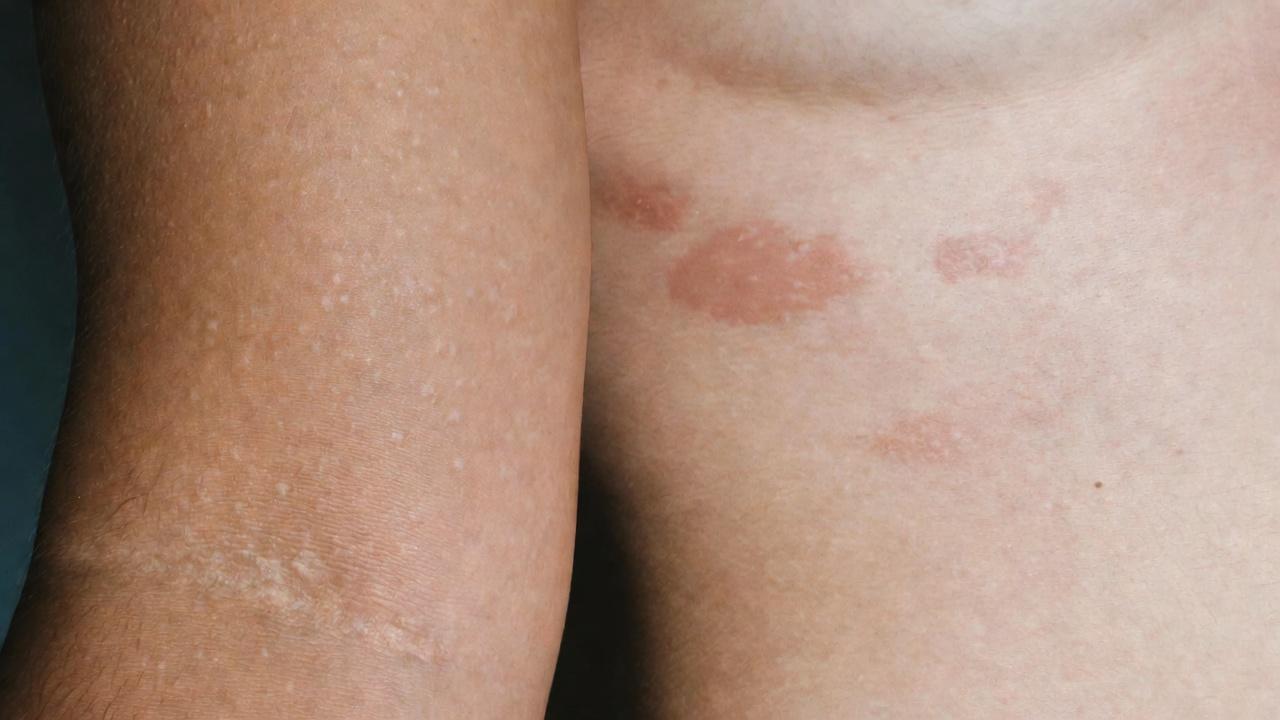
One of the most common explanations for lighter patches, particularly on the back, chest, and shoulders, is tinea versicolor (also called pityriasis versicolor). This occurs when a naturally occurring yeast on the skin overgrows, often in warm, humid conditions.
Studies show this affects many adults in tropical or sweaty environments, leading to scaly, discolored spots that may appear lighter or darker depending on skin tone. The patches often become more visible after sun exposure because affected areas don’t tan evenly.
Practical steps many find helpful:
- Maintain good skin hygiene with regular cleansing.
- Use gentle, non-irritating products.
- Consider over-the-counter antifungal options if advised by a professional.
But that’s not the only sun-related possibility…
Idiopathic Guttate Hypomelanosis: Small “Sun Spots” in Mature Skin
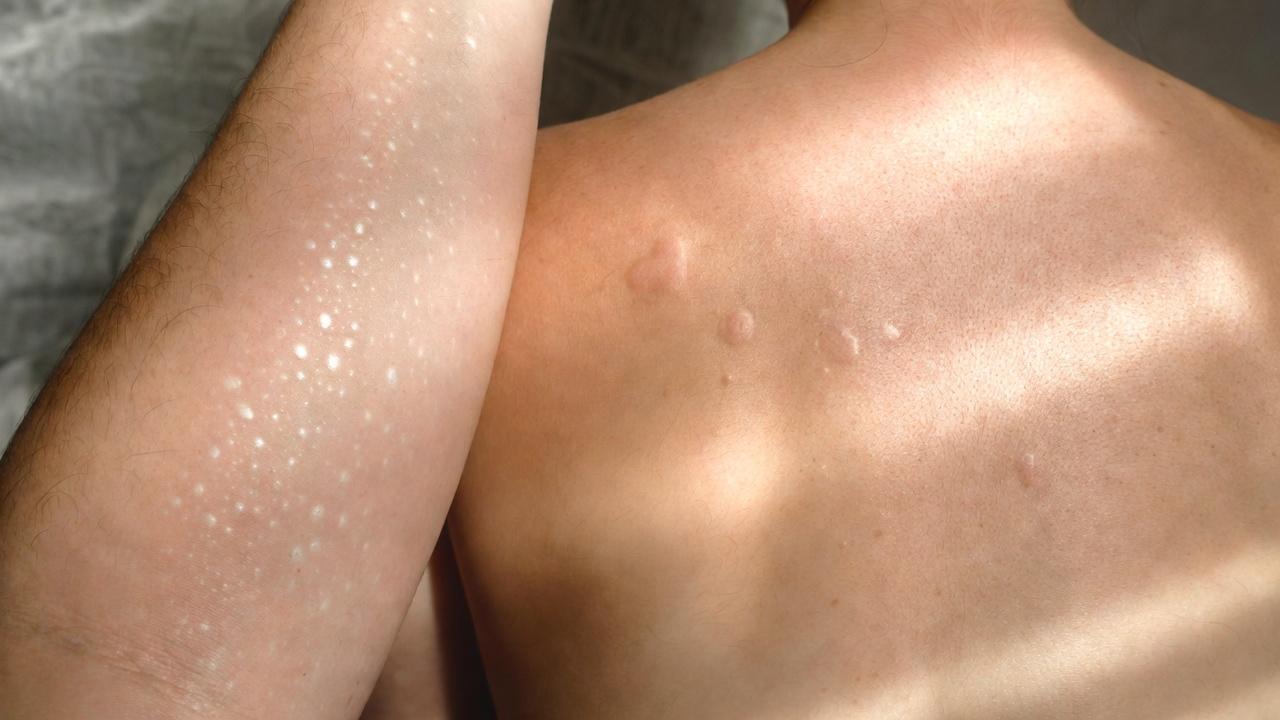
If you’ve noticed tiny, round, flat white dots mainly on your forearms, shins, or other sun-exposed areas, this could be idiopathic guttate hypomelanosis (IGH). This benign condition becomes more common after age 40 and is strongly linked to long-term ultraviolet exposure.
Research indicates that chronic sun damage affects pigment-producing cells over time, resulting in these small, porcelain-like spots (usually 2-5 mm). They are painless, smooth, and tend to increase gradually with age.
Key facts about IGH:
- More noticeable on fairer skin, but can affect all tones.
- Often appears on legs and arms first.
- Not associated with scaling or itch in most cases.
The good news? Daily sun protection can help slow new spots from forming.
Here’s a quick comparison of these two common causes:
- Tinea Versicolor — Often on trunk (back/chest), may be slightly scaly or itchy, linked to yeast overgrowth in heat/humidity.
- Idiopathic Guttate Hypomelanosis — Small discrete dots on arms/legs, smooth and flat, tied to cumulative sun exposure.
Pityriasis Alba: Mild Patches Often Seen in Younger Skin or Dry Conditions
This condition typically shows up as round or oval lighter patches, sometimes with mild scaling, frequently on the face, arms, or cheeks. It’s commonly associated with dry skin or a history of eczema-like irritation.
Evidence suggests inflammation temporarily affects pigment production, and patches often improve with time and gentle care. It’s especially common in children and teens but can persist or appear later.
Simple habits to consider:
- Apply fragrance-free moisturizers regularly.
- Avoid harsh soaps that strip natural oils.
- Protect skin from extreme dryness.
Vitiligo: When Patches Result from Autoimmune Activity
Vitiligo involves the immune system affecting pigment cells, leading to smooth white patches that can appear anywhere, often starting on hands, face, or other areas. It affects about 1% of people worldwide and may develop gradually.
Reliable sources like Cleveland Clinic note that patches are usually symmetrical and can expand over time. While the exact trigger varies, early awareness helps with management options.
Other Possible Factors
Post-inflammatory changes can leave lighter areas after rashes, injuries, or skin irritation heal. Milia—small, hard white bumps from trapped keratin—sometimes get mistaken for flat spots but feel different to the touch.
Nutritional aspects, such as adequate vitamin intake, support overall skin health, though direct links to specific spots vary.
Everyday Habits to Support Your Skin
You can take proactive steps right now to care for your skin and potentially minimize changes:
- Apply broad-spectrum sunscreen (SPF 30+) daily, even on cloudy days.
- Wear protective clothing during peak sun hours.
- Moisturize consistently to maintain skin barrier.
- Track changes with photos over time for better awareness.
- Choose gentle skincare products free of strong irritants.
These simple routines benefit skin regardless of the specific cause.
When to Consult a Professional
If spots change in size, shape, or number quickly, or if they come with other symptoms, a dermatologist can provide personalized insights. Early evaluation often brings clarity.
Conclusion
Noticing white spots on your skin is common, especially with age and sun exposure. From tinea versicolor to idiopathic guttate hypomelanosis and beyond, many causes are harmless and manageable with basic care. The most powerful step? Consistent sun protection—it supports skin health in numerous ways. Start today with one small change, like daily SPF, and feel more confident about your skin.
FAQ
What makes white spots more noticeable after summer? Sun exposure tans surrounding skin, making lighter areas stand out more. This is common with conditions like tinea versicolor or IGH.
Are white spots on skin always permanent? Many fade or improve with time and care, especially if related to dryness or mild irritation, though some like IGH tend to persist.
How can I tell if my white spots need attention? Monitor for rapid changes, itch, scaling, or spreading. When in doubt, professional evaluation provides the best guidance.
This article is for informational purposes only and is not a substitute for professional medical advice. Please consult a healthcare provider for any concerns about your skin.


