
Have you ever looked in the mirror, opened your mouth wide, and spotted those tiny, whitish or yellowish bumps on your tonsils? They look like small pebbles, but when they come loose, the smell can be downright embarrassing and unpleasant. These little formations often lead to persistent bad breath that no amount of brushing seems to fix, leaving many people feeling self-conscious during conversations or close moments. The good news is that understanding what’s happening can bring relief — and in the sections below, you’ll discover exactly why they form, what makes them so smelly, and simple daily habits that many people use to manage them more effectively. Stick around, because toward the end, there’s an eye-opening tip that helps reduce their return.
What Exactly Are Tonsil Stones?
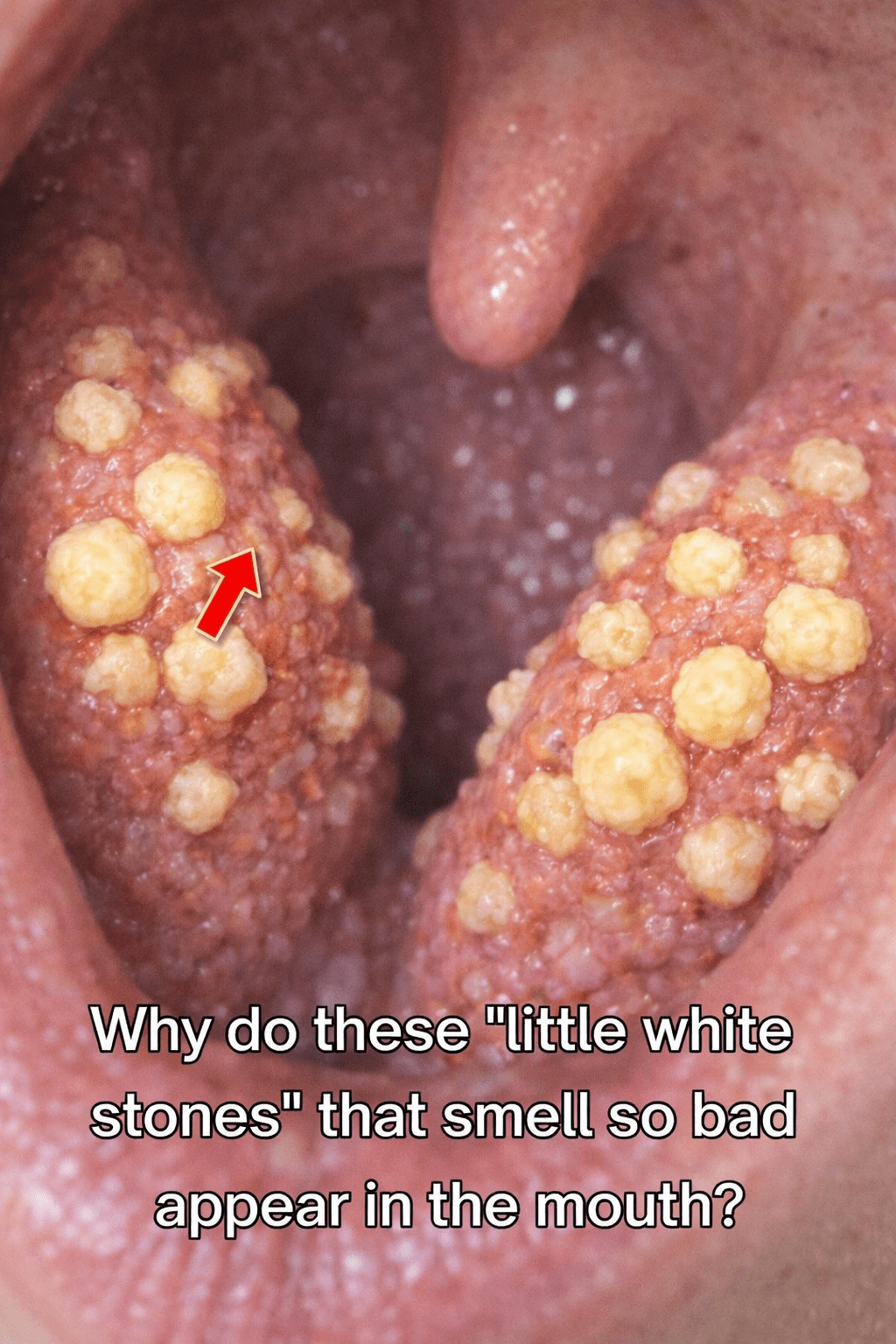
Tonsil stones, also known as tonsilloliths, are small, hardened lumps that develop in the natural crevices (called crypts) of your tonsils — those soft, oval-shaped tissues at the back of your throat.
These stones form when bits of food debris, dead cells, mucus, and bacteria get trapped in the tonsil folds. Over time, this mixture hardens as minerals like calcium from saliva settle in, creating those visible white or yellowish spots.
Research from sources like the Cleveland Clinic shows that tonsil stones are quite common, especially in people with deeper tonsil crypts or a history of frequent throat irritation. Many folks have them without even noticing, but when they become noticeable, the odor is often the first clue.
But that’s not the whole story…
Why Do They Smell So Terrible?
The foul smell comes from bacteria breaking down the trapped material. As these microbes thrive in the low-oxygen environment of the tonsil crypts, they produce volatile sulfur compounds — the same type of substances responsible for some of the worst odors in nature.
This process explains why dislodging even a tiny stone can release a strong, unpleasant whiff that lingers. Studies highlight that these sulfur compounds are a major contributor to chronic bad breath in people dealing with tonsil stones.
Here’s the interesting part: the smell isn’t always noticeable to everyone around you, but when it is, it can feel frustratingly persistent.
Common Signs You Might Have Tonsil Stones
Not everyone experiences obvious symptoms, but here are some frequent ones:
- Persistent bad breath (halitosis) that doesn’t improve with regular oral care
- A sore or irritated throat feeling
- A sensation that something is stuck in the back of your throat
- Occasional cough or ear discomfort (due to shared nerve pathways)
- Visible white or yellow spots when looking in a mirror with good light
If these sound familiar, you’re definitely not alone — many people discover them by chance while checking their throat.
Who Is More Likely to Get Them?
Certain factors can make tonsil stones more common:
- Having naturally deeper or larger tonsil crypts
- Frequent throat irritation or past episodes of tonsillitis
- Poor oral hygiene habits that allow more debris buildup
- Dry mouth from dehydration or certain medications
The good news? While some factors like tonsil shape are out of your control, others are easy to address with simple changes.

Safe Ways to Manage Tonsil Stones at Home
Many people successfully manage tonsil stones with gentle, everyday approaches. Here are some practical steps supported by common recommendations from health experts:
- Gargle with warm salt water — Mix about half a teaspoon of salt in a glass of warm water and gargle several times a day, especially after meals. This helps loosen debris and reduce bacteria.
- Stay hydrated — Drinking plenty of water throughout the day keeps your mouth from drying out and flushes away particles before they settle.
- Brush and floss thoroughly — Don’t forget your tongue! Brushing twice daily and flossing removes food particles that could otherwise end up in your tonsils.
- Use a water flosser gently — On a low setting, direct the stream toward the tonsils to help dislodge small stones safely.
- Try gentle coughing — A few strong coughs can sometimes bring loose stones forward naturally.
Important note: Avoid aggressive poking or using sharp objects, as this can irritate the area or cause minor injury.
Here’s a quick comparison of popular at-home approaches:
| Method | How It Helps | Ease of Use | Frequency Recommendation |
|---|---|---|---|
| Salt water gargle | Loosens debris, reduces bacteria | Very easy | After meals & bedtime |
| Water flosser | Flushes out crypts effectively | Easy | 1-2 times daily |
| Tongue brushing | Removes bacteria from the back | Easy | Twice daily |
| Coughing | Natural dislodging for loose stones | Free & simple | As needed |
These habits often make a noticeable difference over a few days.
Tips to Help Reduce Their Return
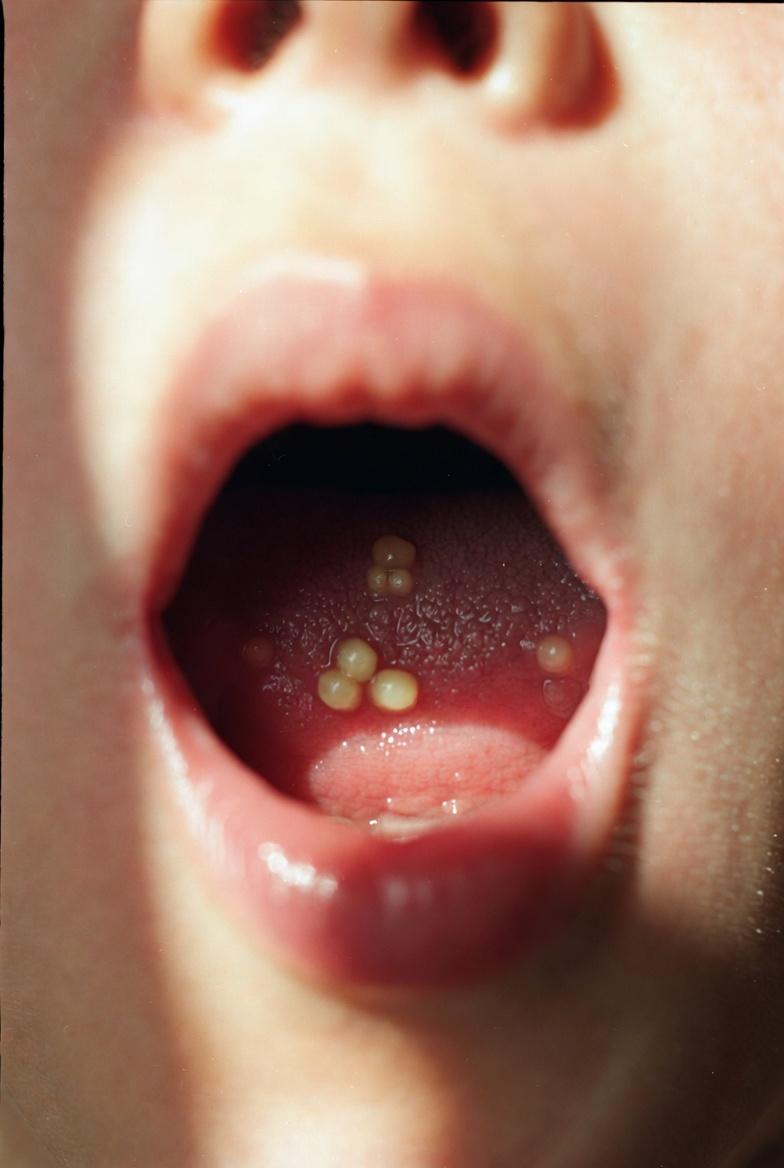
Prevention focuses on minimizing buildup and keeping your mouth clean. Try incorporating these into your routine:
- Gargle after eating to clear food particles right away
- Use an alcohol-free mouthwash to maintain fresh breath
- Avoid smoking, as it can worsen irritation
- Eat a balanced diet and limit sticky or dairy-heavy foods if they seem to trigger more debris
Research suggests that consistent oral care routines can significantly lower the chances of recurrent stones.
And now for that eye-opening tip I mentioned earlier: Many people find that combining daily salt water gargles with extra hydration is the game-changer for keeping tonsil crypts clearer long-term.
Final Thoughts
Those little white stones in your tonsils are a common issue that can cause noticeable bad breath and mild discomfort, but they’re usually harmless. By understanding how they form from trapped debris and bacteria, and by adopting simple daily habits like gargling and staying hydrated, most people manage them effectively without major worry.
Frequently Asked Questions
What causes tonsil stones to keep coming back? They often recur due to the natural shape of your tonsils, ongoing bacteria, or food debris buildup. Regular oral hygiene and hydration can help minimize this.
Are tonsil stones dangerous? In most cases, no — they’re typically just a nuisance. Serious issues are rare, but if you notice swelling, pain, or fever, it’s worth checking with a professional.
Can I prevent tonsil stones completely? While not always possible, good oral habits and lifestyle tweaks greatly reduce their frequency for many people.
Disclaimer: This article is for informational purposes only and is not a substitute for professional medical advice. If you experience persistent symptoms, discomfort, or concerns about your tonsils, please consult a healthcare provider for personalized guidance.


