
Waking up to a damp pillow can feel frustrating and a bit embarrassing, especially when it happens night after night. Many adults experience occasional drooling during sleep due to relaxed mouth muscles or sleeping position, but persistent cases often stem from everyday factors like nasal congestion, certain sleep habits, or underlying issues that affect breathing or saliva management. While it’s usually harmless, understanding the potential reasons can help you take simple steps toward more comfortable, drier mornings.
The good news? Small adjustments often make a noticeable difference. Stick around to explore the most common triggers and discover easy, evidence-based strategies you can try tonight—because better sleep might be closer than you think.
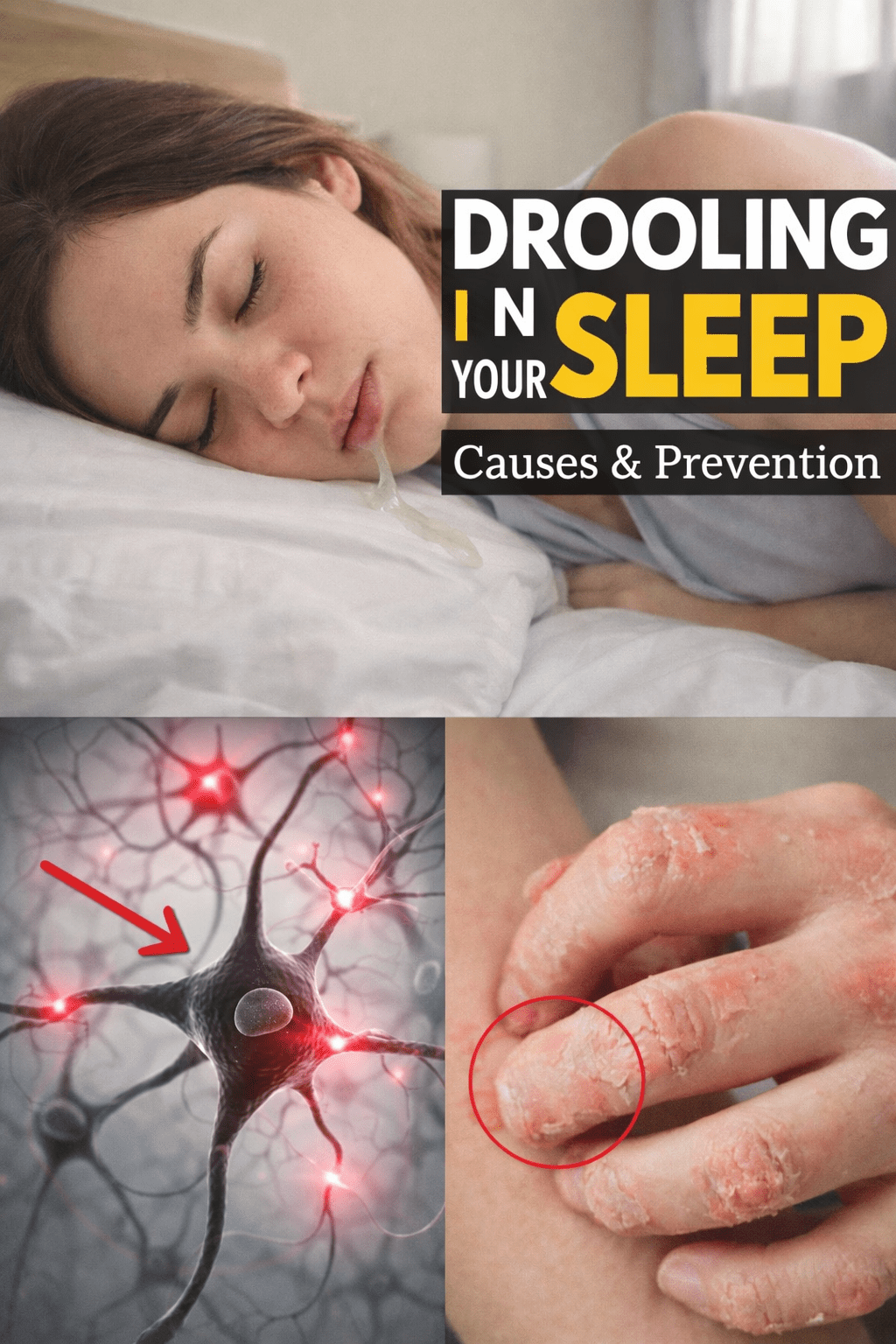
What Actually Happens When You Drool During Sleep?
Drooling, medically known as sialorrhea or hypersalivation, occurs when saliva escapes the mouth unintentionally. During sleep, saliva production continues (though at lower levels than during the day), but swallowing reflexes slow down as muscles relax. If your mouth opens—often from side or stomach sleeping—gravity lets saliva flow out more easily.
Research from sleep experts shows this is common, and factors like mouth breathing play a big role. When nasal passages are blocked, the body switches to mouth breathing, increasing the chance of drool pooling and leaking. Studies indicate that many adults notice this occasionally, but frequent episodes warrant a closer look at possible contributors.
But that’s not the full picture…

Common Everyday Triggers Behind Nighttime Drooling
Several lifestyle and health-related factors can lead to more noticeable drooling. Here are the most frequently reported ones:
- Sleep Position — Side or stomach sleeping lets gravity pull saliva toward the corner of your mouth.
- Nasal Congestion or Allergies — Swollen nasal passages from allergies, colds, or sinus issues force mouth breathing.
- Acid Reflux (GERD) — Stomach acid irritating the throat can trigger extra saliva as a protective response.
- Sleep Apnea — Interrupted breathing often leads to open-mouth posture and reduced swallowing.
- Medications — Some drugs, including certain antihistamines, antipsychotics, or others, list increased saliva as a side effect.
Here’s a quick comparison of how these factors stack up:
- Sleep Position & Mouth Breathing — Very common | Easy to adjust | Low urgency
- Allergies/Sinus Issues — Seasonal or ongoing | Often manageable with home remedies | Medium
- GERD — Linked to diet & habits | Lifestyle changes help many | Medium to high
- Sleep Apnea — Often with snoring/fatigue | Needs professional evaluation | Higher
These triggers explain why so many people experience it without any serious underlying condition.
Practical Steps You Can Take Tonight to Help Reduce Drooling
The best approach starts with simple changes that address common causes. Here’s an actionable list to try step by step:
- Switch Your Sleep Position
Try sleeping on your back with a supportive pillow to encourage nasal breathing and keep saliva in place. A body pillow can help maintain position. - Improve Nasal Breathing
Use saline nasal rinses before bed to clear congestion. Nasal strips or a humidifier in the bedroom can add moisture and ease stuffiness. - Adjust for Acid Reflux
Avoid heavy meals 2-3 hours before bed, and elevate the head of your bed by 6-8 inches using risers or extra pillows (not just stacking under your head). - Review Medications
If you suspect a medication contributes, note when symptoms started and discuss alternatives with your healthcare provider. - Maintain Good Oral Habits
Brush and floss regularly to rule out dental irritation that might increase saliva flow.
Many people see improvement within a few nights by combining 2-3 of these habits. Track your progress for a week—note dryness on a scale of 1-10 each morning.

When Should You Talk to a Professional?
While occasional drooling is typically no cause for concern, frequent or worsening episodes—especially alongside snoring, daytime fatigue, frequent heartburn, or difficulty swallowing—may point to something worth checking. Conditions like obstructive sleep apnea or chronic reflux benefit from early attention, as they can affect overall sleep quality and health over time.
Studies show that addressing breathing or reflux issues often leads to better rest for many adults. If simple changes don’t help after a couple of weeks, a visit to your doctor, dentist, or sleep specialist can provide personalized insights.
Key Takeaways and Next Steps
Nighttime drooling is more common than most people realize and often improves with awareness and small tweaks to sleep habits, breathing, or diet. Start with one or two strategies tonight—like trying a new position or a saline rinse—and build from there. Most find relief without complex interventions.
Frequently Asked Questions
Is drooling during sleep normal for adults?
Yes, occasional drooling is common due to relaxed muscles and sleep position. Persistent cases may relate to congestion, reflux, or other manageable factors.
Can allergies really cause drooling at night?
Absolutely—nasal congestion from allergies often leads to mouth breathing, which increases saliva escape.
How quickly can lifestyle changes help?
Many notice drier mornings within a few days to a week, especially with head elevation, nasal care, and better positioning.
This article is for informational purposes only and is not a substitute for professional medical advice. Please consult your healthcare provider if you have persistent symptoms or concerns about your health.
(Word count: ~1250)


