
Waking up with a damp pillow can feel embarrassing and frustrating. Many people experience this from time to time, but if it happens frequently, it leaves you wondering what’s going on and whether it’s normal. The truth is, occasional drooling during sleep is common and usually harmless, yet persistent episodes can sometimes point to everyday habits or underlying factors worth paying attention to. And here’s the interesting part – understanding these can offer valuable clues about your overall well-being, with some simple adjustments making a real difference.
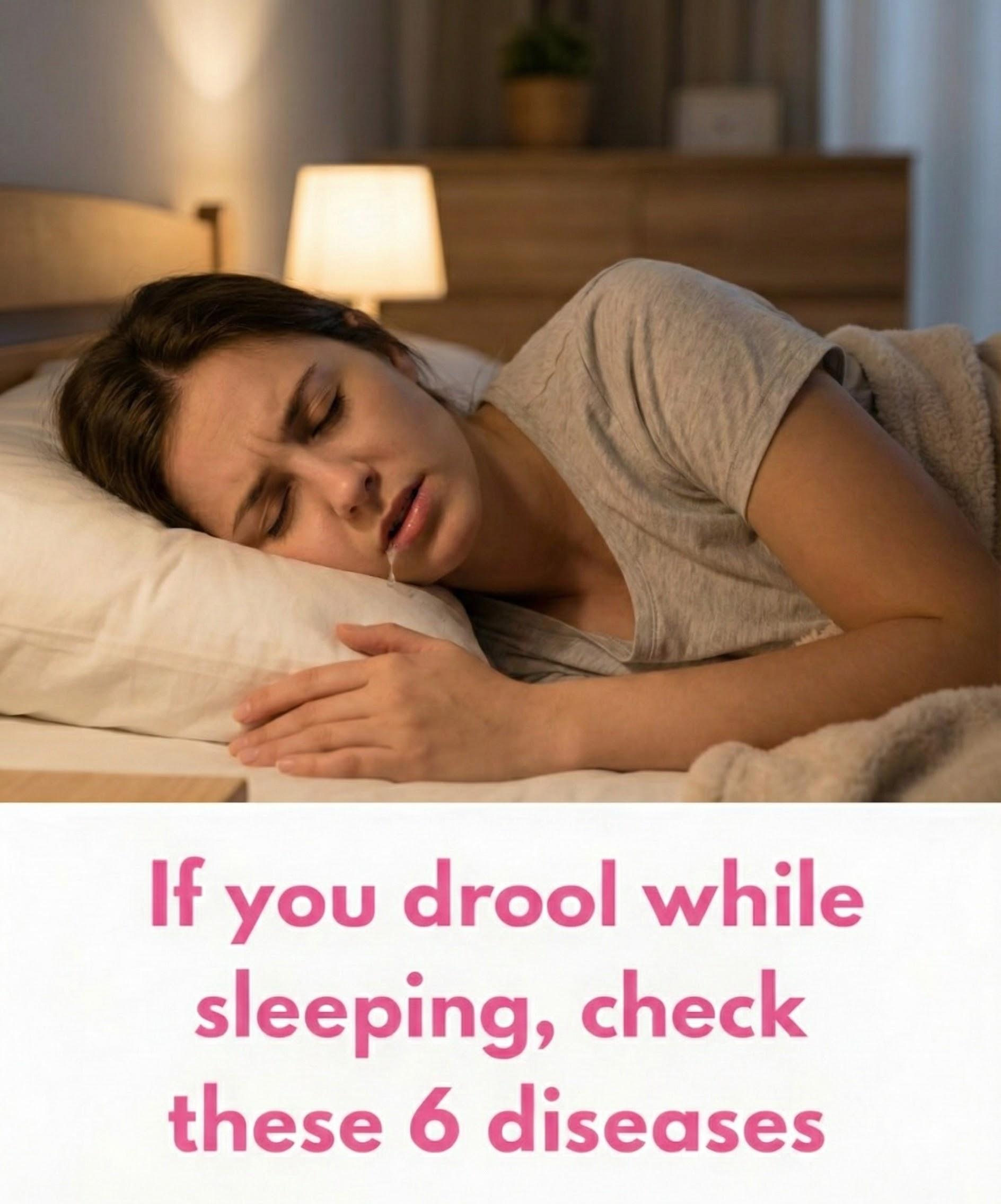
Understanding Drooling During Sleep: The Basics
Drooling, or excess saliva escaping your mouth while sleeping, often stems from relaxed muscles and gravity. During deep sleep, your swallowing reflex slows down, and if your mouth is open, saliva can pool and leak out.
Research shows that most adults produce saliva continuously, even at night, to keep the mouth moist and aid digestion. But certain positions or breathing patterns can make it more noticeable.
But that’s not all – let’s dive into the most common reasons behind frequent nighttime drooling.
1. Your Sleeping Position Plays a Bigger Role Than You Think
One of the simplest explanations for drooling is how you sleep. Side or stomach sleeping allows gravity to pull saliva out of your mouth more easily, especially if it’s slightly open.
Studies indicate that back sleeping often reduces this issue because saliva tends to stay in the mouth or flow down the throat naturally.
If you’ve recently switched positions or started noticing wet spots on your pillow, this could be the culprit.
Here’s a quick comparison:
| Sleeping Position | Likelihood of Drooling | Why It Happens |
|---|---|---|
| On your back | Low | Gravity keeps saliva inside |
| On your side | High | Saliva pools toward the pillow |
| On your stomach | High | Mouth often opens against the pillow |
Trying a new position might help – more on that later.
2. Nasal Congestion and Allergies Leading to Mouth Breathing
Stuffy noses from allergies, sinus issues, or colds force many people to breathe through their mouths at night. This dries out the mouth slightly, prompting more saliva production, which then escapes.
Experts note that seasonal allergies or chronic sinus problems are frequent contributors to excessive nighttime drooling.
The reality is, mouth breathing not only increases drooling but can also affect sleep quality.
Common triggers include:
- Pollen or dust allergies
- Sinus inflammation
- Upper respiratory infections
Addressing the congestion often resolves the drooling.
3. Gastroesophageal Reflux Issues (GERD)
Acid reflux, where stomach acid flows back into the esophagus, can irritate the throat and trigger excess saliva as a protective response.
Many people with GERD report more drooling during sleep, especially when lying flat.
Research from sources like the Cleveland Clinic highlights this connection, noting that reflux can make swallowing feel difficult, leading to saliva buildup.
If you also experience heartburn or a sour taste in the morning, this might be worth exploring further.

4. Sleep Apnea and Disrupted Breathing Patterns
Obstructive sleep apnea causes brief pauses in breathing, often leading to open-mouth breathing and increased drooling.
This condition affects millions and is linked to louder snoring, daytime fatigue, and morning headaches.
Studies show that people with sleep apnea are more prone to nighttime drooling due to airway blockages.
The good news? Recognizing these patterns early can lead to better management.
5. Infections or Throat Irritation
Temporary infections, like tonsillitis or even a common cold, can swell tissues in the throat or nose, promoting mouth breathing and extra saliva.
Throat irritation from post-nasal drip also plays a role.
These usually resolve on their own, but recurrent infections might signal something ongoing.
6. Neurological or Muscle Control Factors
In some cases, conditions affecting muscle control – such as Parkinson’s disease, stroke recovery, or certain neurological issues – can reduce the ability to swallow saliva effectively during sleep.
Medical reviews indicate that weakened facial or throat muscles contribute to this in affected individuals.
While less common, it’s one reason why sudden or persistent drooling shouldn’t be ignored if accompanied by other symptoms.
This is the part that’s eye-opening – frequent drooling isn’t always just a quirky habit; it can highlight areas where small changes improve your daily life.

Practical Steps to Reduce Nighttime Drooling
You don’t have to live with wet pillows. Here are actionable ways to manage it:
- Switch to back sleeping: Use a wedge pillow to elevate your head and stay in position.
- Clear nasal passages: Try saline sprays, a humidifier, or allergy management before bed.
- Elevate your head: This helps with both reflux and congestion.
- Stay hydrated during the day: But avoid large drinks right before bed.
- Practice nasal breathing: Gentle exercises or strips can encourage nose breathing.
- Maintain good oral hygiene: Brush and floss to reduce irritation.
Start with one or two changes and track what works for you.
When to Pay Closer Attention
Occasional drooling is typically no cause for concern. However, if it’s sudden, excessive, or paired with symptoms like persistent fatigue, snoring, difficulty swallowing, or heartburn, consider chatting with a healthcare professional for personalized insights.
Conclusion
Drooling while sleeping is more common than you might think, often tied to simple factors like position or congestion. By understanding these six common contributors, you can take steps to feel more comfortable and rested. Small adjustments often make a big difference, leading to drier pillows and better nights.
Frequently Asked Questions
Is drooling during sleep normal?
Yes, for many people it’s completely normal and harmless, especially occasionally or due to sleeping position.
Can drooling indicate poor sleep quality?
It can sometimes link to disrupted breathing patterns, like in sleep apnea, which affects rest – but not always.
How can I stop drooling quickly?
Try sleeping on your back, clearing your nose before bed, and using a humidifier for immediate relief.
Disclaimer: This article is for informational purposes only and is not intended to diagnose or treat any medical condition. Always consult a healthcare professional for personal health concerns.


