As we age, many of us notice fine lines appearing around our eyes and uneven dark spots on our cheeks or hands from years of sun exposure. These changes can feel frustrating, especially when scrolling through social media reveals countless quick-fix hacks using everyday items like toothpaste or baking soda. The temptation to try them is real, but often they lead to more irritation than improvement. The good news? There are safer, evidence-based habits that can gently support smoother, more even-toned skin over time – and I’ll share an unexpected daily ritual at the end that many people overlook.
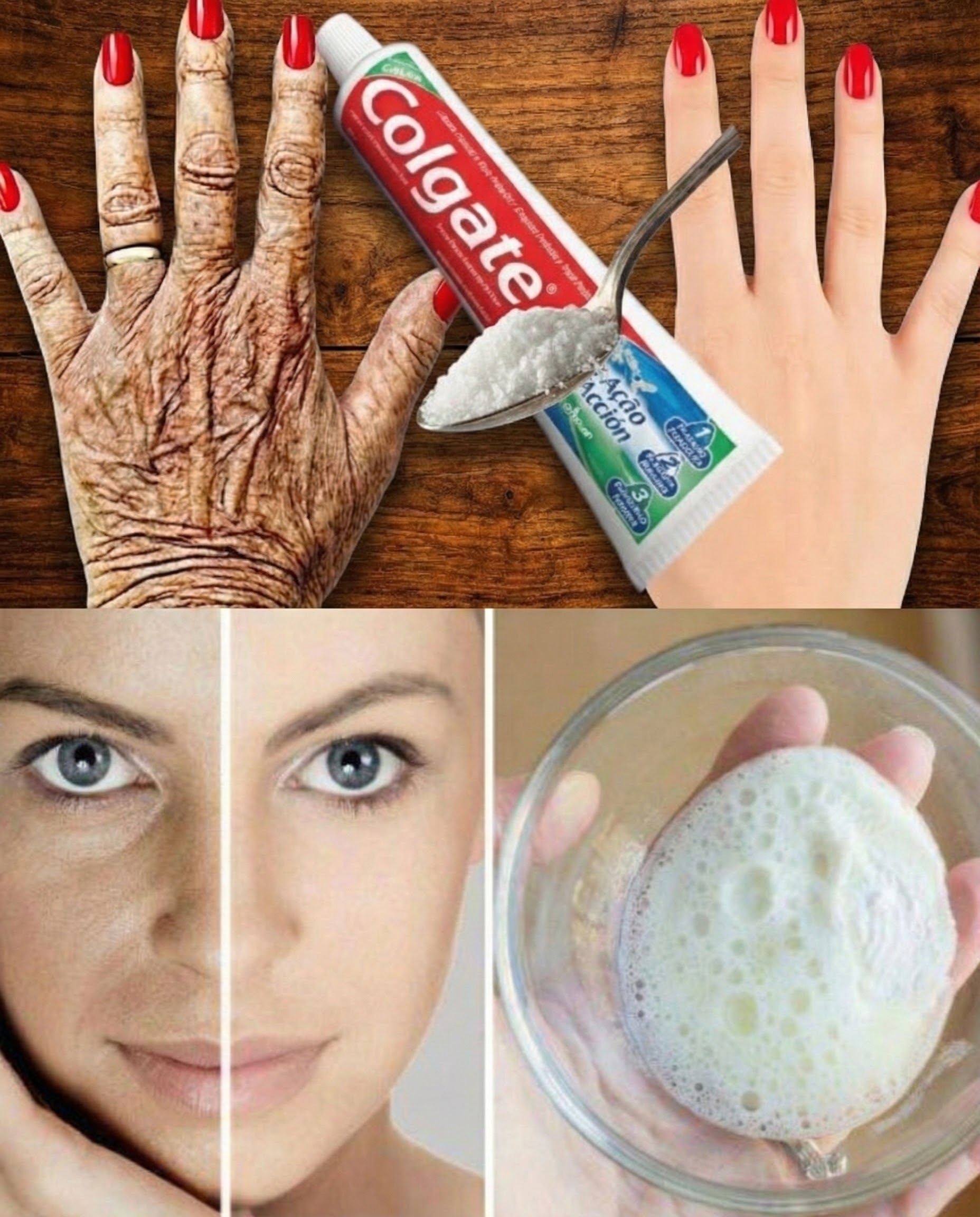
The Popular Myths You’ve Probably Seen Online
Social media is full of videos claiming that a dab of toothpaste can dry out dark spots overnight or that baking soda scrubs away wrinkles through exfoliation.
These ideas sound simple and affordable, which makes them spread quickly.
But here’s the catch: products designed for your teeth aren’t formulated for the delicate skin on your face.
Dermatologists regularly caution against them for good reason.
Have you ever tried one of these and ended up with redness or tightness?
You’re not alone.
Why Experts Recommend Skipping Toothpaste on Your Face
Toothpaste contains ingredients like abrasives, fluoride, menthol, and whitening agents meant to clean and protect teeth.
When applied to facial skin, these can cause dryness, stinging, or inflammation.
The cooling sensation might feel like it’s “working,” but it’s often just irritation in disguise.
Research shows that repeated use of harsh substances can disrupt the skin’s natural moisture barrier.
This may make fine lines appear more noticeable in the long run.
Gentler approaches exist that avoid these risks entirely.
The Concern with Using Baking Soda as a Skin Exfoliant
Baking soda has a high alkaline pH, very different from the slightly acidic pH of healthy skin.
While it can temporarily remove dead cells, studies suggest it may strip away protective oils.
Over time, this can lead to increased sensitivity, redness, or even breakouts.
Many people report initial smoothness followed by dryness and discomfort.
The truth is, consistent mild care tends to offer better long-term comfort than occasional intense scrubs.
Real Stories: What Happened When People Tried These Hacks
Take Sarah, a 58-year-old reader who spotted a viral tip about toothpaste for dark spots. She applied a small amount before bed, hoping for clearer skin by morning.
Instead, she woke up to red, tight patches that took days to calm down.
“It felt too harsh,” she later shared.
After switching to milder daily habits, her skin felt more comfortable and balanced.
Similar experiences are common.
This doesn’t mean change is impossible – it just highlights the value of choosing skin-friendly options.

8 Gentle Habits That May Help Support Smoother, More Even Skin
Let’s explore evidence-backed ways many people incorporate into their routines.
These focus on protection, nourishment, and gradual renewal.
- Daily broad-spectrum sunscreen
UV exposure is a major factor in both wrinkles and dark spots. Consistent SPF 30+ use helps shield skin from further changes. Studies strongly support sun protection as a cornerstone habit. - Staying hydrated inside and out
Drinking water and using a gentle moisturizer supports skin plumpness. Dehydrated skin often emphasizes fine lines. - Eating antioxidant-rich foods
Berries, leafy greens, and nuts provide nutrients that combat daily environmental stress. Research links dietary antioxidants to healthier-looking skin. - Gentle weekly exfoliation
Using mild chemical exfoliants (like lactic acid) removes dead cells without abrasion. Always follow with moisture. - Niacinamide in your routine
This form of vitamin B3 may help even skin tone and strengthen the moisture barrier. Clinical studies show promise for pigmentation concerns. - Stable vitamin C products
Topical vitamin C acts as an antioxidant and supports brightness. Trials indicate gradual improvement in dark spots. - Introducing retinoids slowly
Over-the-counter retinol encourages cell turnover when used patiently. Evidence supports softening of fine lines over months. - A consistent gentle routine
Simple steps – cleanse, treat, moisturize, protect – build cumulative benefits. Many notice softer texture and faded spots with time.
But that’s not all…
A Quick Comparison of Common Approaches
| Approach | Key Element | Potential Support | Evidence Note |
|---|---|---|---|
| Sunscreen | Broad-spectrum SPF 30+ | Helps prevent new damage | Strongly backed by research |
| Vitamin C | Stable serum form | Supports brightness and antioxidants | Positive results in clinical trials |
| Niacinamide | 5–10% concentration | May even tone and support barrier | Studies on pigmentation |
| Hydration | Moisturizer + water intake | Helps plump appearance | Essential foundation |
| Retinoids | Gentle over-the-counter | Encourages renewal over time | Long-term studies show benefits |
How to Build a Simple Daily Routine Step by Step
Ready to start? Here’s an easy framework:
- Morning:
- Cleanse with a gentle, non-foaming cleanser (avoid hot water).
- Apply vitamin C or niacinamide serum.
- Follow with a lightweight moisturizer.
- Finish with broad-spectrum sunscreen.
- Evening:
- Cleanse again gently.
- Use retinoid (every other night at first).
- Layer a richer moisturizer.
Tips for success:
- Patch test new products on your inner arm.
- Introduce one new item every 2–4 weeks.
- Choose fragrance-free options if your skin is sensitive.
- Be patient – visible comfort often appears after 8–12 weeks.
This routine takes less than 5 minutes yet offers steady support.
Another Real Journey: Emily’s Gentle Shift
Emily, 62, had tried abrasive scrubs and home remedies that left her skin feeling raw.
She decided to focus on sunscreen, vitamin C, and hydration instead.
Within a few months, her skin felt calmer, and dark spots appeared lighter.
“It was the consistency that made the difference,” she said.
Stories like hers remind us that small, gentle habits add up.

What Research Actually Tells Us
Numerous studies emphasize sun protection as the most effective way to help prevent premature skin aging.
Antioxidants like vitamin C show gradual brightening effects in controlled trials.
Retinoids remain one of the most researched ingredients for texture improvement when used correctly.
Individual results vary, but consistency and gentleness are common themes across research.
Addressing Common Questions You Might Have
You might wonder if it’s worth changing habits later in life. Many people notice benefits at any age with steady care.
Or perhaps you’re concerned about cost. Basic sunscreen and moisturizer can be affordable yet effective.
The key is starting where you are.
Final Thoughts: Your Skin Deserves Gentle Care
Supporting smoother, more even skin doesn’t require harsh shortcuts.
Daily protection, thoughtful nourishment, and patience often bring the most comfortable results.
Start with one small change today – maybe reapplying sunscreen or adding a gentle serum.
Over time, these habits can help you feel more confident in your reflection.
And here’s that unexpected ritual I promised: a 1-minute facial massage with clean hands while applying moisturizer. It boosts relaxation and circulation – many readers say it’s their favorite part of the day.
Frequently Asked Questions
Can natural ingredients completely remove dark spots?
No single ingredient removes them entirely, but consistent gentle habits like sun protection and vitamin C may help fade their appearance gradually.
How long does it take to notice changes with a gentle routine?
Most people see improved comfort and hydration within weeks, while tone and texture shifts often appear after 2–3 months of steady care.
Is it safe to use retinoids if I have sensitive skin?
Start with a low concentration every few nights and always follow with moisturizer. Stop and consult a dermatologist if irritation persists.
This article is for informational purposes only and is not a substitute for professional medical advice. Always consult a dermatologist or healthcare provider for personalized skin concerns.