
Millions of adults deal with occasional eye irritation, dryness, redness, or that uncomfortable gritty feeling, especially as screen time increases and age advances. These symptoms can disrupt daily routines, from reading to working or simply enjoying time outdoors, leaving many searching for gentle, natural ways to support eye comfort. While modern options like artificial tears offer relief, traditional herbal practices have long turned to everyday plants for similar support.
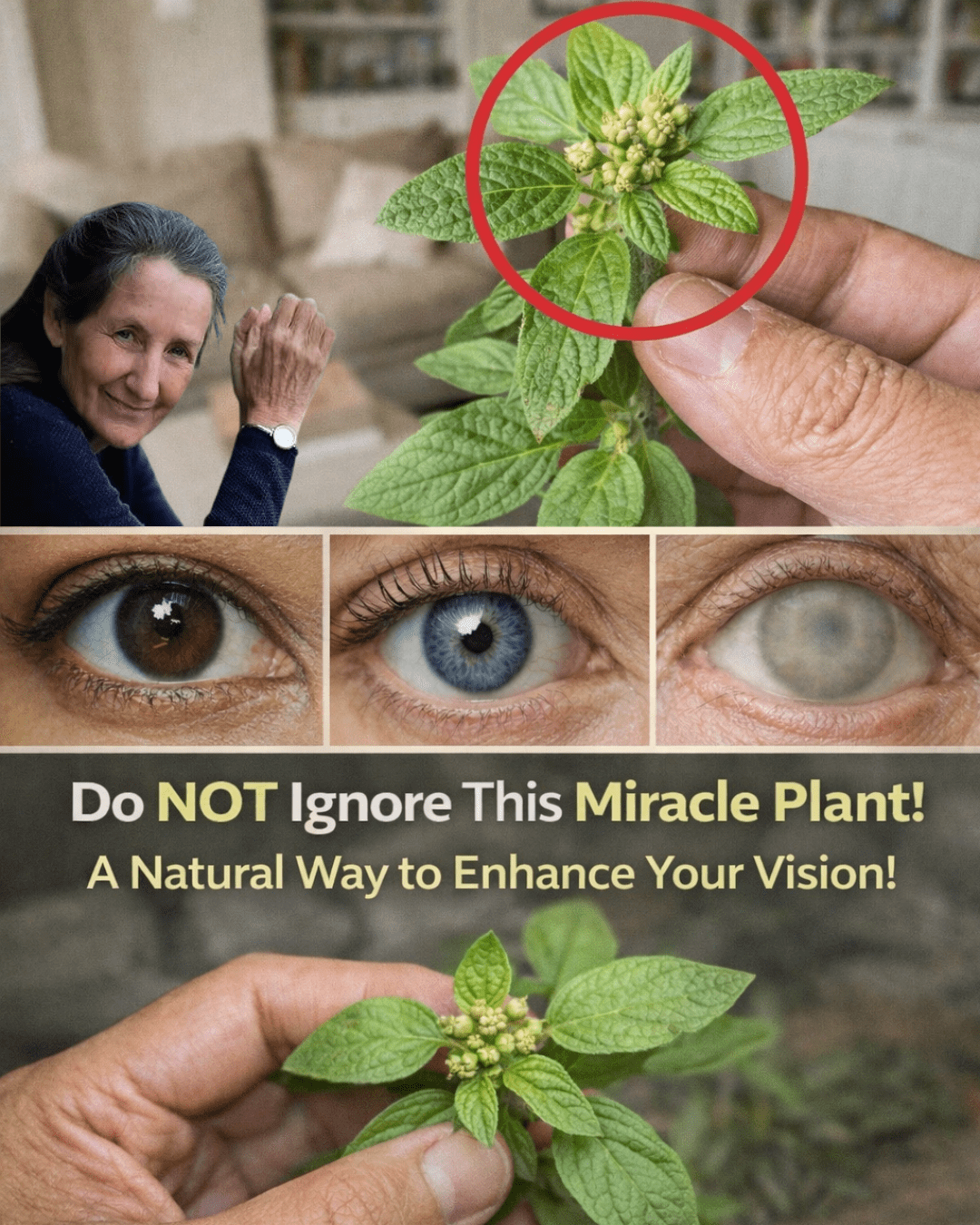
One such plant is Euphorbia hirta, a common weed found in gardens and pathways across tropical regions. Known as asthma weed or dudhi in some cultures, it has appeared in traditional medicine for centuries, including for eye-related comfort. In this article, we’ll explore its historical background, key compounds, and what current research suggests—while emphasizing safety and professional guidance.
The Historical Role of Euphorbia Hirta in Traditional Medicine
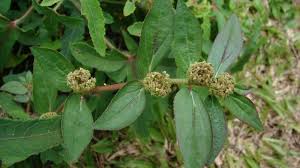
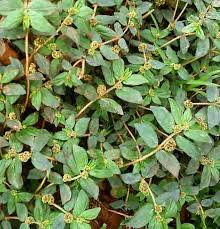
Euphorbia hirta is a small, hairy annual herb with reddish stems and tiny clustered flowers. It grows widely in warm climates and has been documented in ethnobotanical records from Asia, Africa, and Latin America.
Traditional healers have used various parts of the plant—leaves, stems, flowers, and sometimes diluted preparations—for respiratory issues like asthma and bronchitis. Interestingly, some practices also include gentle applications for eye comfort, such as decoctions for conjunctivitis-like symptoms or stem sap for eyelid concerns.
These uses stem from generations of observation in folk medicine systems. For example, in certain regions, diluted forms were applied to soothe minor irritations.
But here’s the interesting part: modern studies have started examining the plant’s natural compounds to understand why these traditions persisted.
Key Compounds in Euphorbia Hirta That Draw Attention
Research highlights several bioactive elements in Euphorbia hirta, including flavonoids, tannins, and phenolic compounds. These are common in many plants and often linked to antioxidant and anti-inflammatory properties in lab settings.
Studies suggest the plant shows antibacterial and anti-inflammatory effects in various models, which aligns with some traditional applications. For instance, flavonoids may help reduce swelling responses, while tannins offer protective qualities.
However, these findings come mostly from in vitro or animal studies—not direct evidence for human eye use. The plant’s potential lies in its overall profile, but individual results vary greatly.
Traditional Practices vs. Modern Eye Comfort Approaches
Many people today rely on over-the-counter drops, warm compresses, or lifestyle tweaks like the 20-20-20 rule for screens. Traditional approaches, by contrast, often involve whole-plant preparations like teas or poultices.
Here’s a quick comparison of common eye comfort strategies:
- Modern options: Artificial tears for moisture, antihistamine drops for seasonal irritation, sunglasses for light sensitivity.
- Traditional inspirations: Herbal decoctions or diluted preparations in some cultures, often combined with rest and hydration.
- Shared habits: Staying hydrated, reducing screen glare, and using clean compresses.
While traditional uses spark curiosity, they aren’t substitutes for proven methods. Always prioritize evidence-based care.
Important Safety Considerations Before Exploring
Euphorbia hirta belongs to the Euphorbiaceae family, known for milky latex (sap) that can be irritating. While some traditional preparations use diluted forms, the sap is generally caustic and may cause significant discomfort if it contacts eyes or skin directly.
Reports on related Euphorbia species document risks like conjunctivitis, corneal issues, or worse from accidental exposure. Even with E. hirta, direct application—especially undiluted—is strongly discouraged.
Key safety tips:
- Never apply fresh sap or undiluted preparations to eyes.
- Consult a healthcare provider or herbal specialist before trying any plant-based remedy.
- If irritation occurs, rinse thoroughly with water and seek medical help.
Pregnant individuals, those nursing, or people on medications should be especially cautious.
Actionable Tips for Everyday Eye Comfort
While Euphorbia hirta remains an area of traditional interest rather than a recommended remedy, here are practical steps you can take today to support eye wellness:
- Follow the 20-20-20 rule: Every 20 minutes, look 20 feet away for 20 seconds.
- Use a humidifier in dry environments.
- Stay hydrated and incorporate omega-3-rich foods.
- Clean eyelids gently with warm compresses.
- Wear protective eyewear outdoors or during screen-heavy work.
These habits often provide noticeable support without risks.
Wrapping Up: Nature’s Lessons and Wise Choices
Euphorbia hirta’s story reminds us how traditional knowledge has valued common plants for generations. Its compounds continue to intrigue researchers, but eye comfort deserves careful, informed approaches.
Focus on proven habits, consult professionals, and approach herbal traditions with respect and caution. Nature offers inspiration, but safety always comes first.
FAQ
What is Euphorbia hirta commonly used for in traditional medicine?
It’s historically noted for respiratory support, digestive issues, and in some cases, minor eye comfort through diluted preparations.
Is it safe to use Euphorbia hirta for eye issues at home?
No—direct or undiluted use carries risks due to irritating sap. Always seek professional advice first.
How can I support eye comfort naturally without herbs?
Prioritize hydration, screen breaks, proper lighting, and gentle eyelid hygiene for everyday relief.
Disclaimer
This article is for informational purposes only and does not constitute medical advice. Euphorbia hirta and similar plants can cause irritation. Consult a qualified healthcare provider before using any herbal remedies, especially for eye concerns. If you experience eye symptoms, seek professional evaluation promptly.


