
Many people enjoy the relaxed moments right after intimacy, but skipping a quick trip to the bathroom can sometimes lead to uncomfortable burning during urination, frequent urges, or a nagging ache in the lower abdomen hours later. These symptoms can turn a pleasant experience into days of distraction and worry, affecting your daily routine and confidence. The good news is there’s one straightforward habit that health experts often recommend to help your body clear potential irritants naturally and you’ll wish you’d made it routine sooner.
How Sexual Activity Can Affect the Urinary Tract
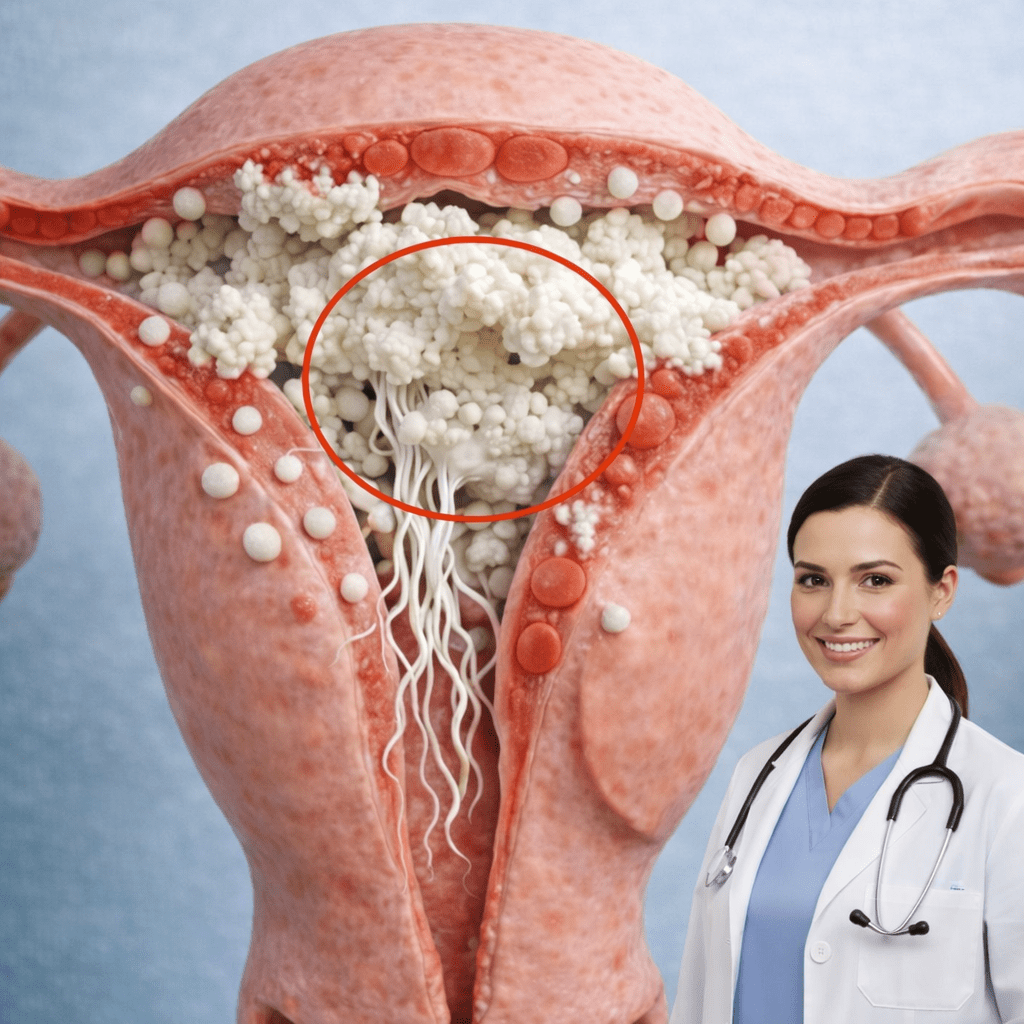
During intimacy, bacteria from the skin, genital area, or nearby regions can easily enter the urethra, the tube that carries urine out of the body. This happens because the urinary and reproductive systems are located close together, and friction can push bacteria toward the urethral opening.
Women tend to notice this more often due to a shorter urethra (about 4 cm long), which gives bacteria a quicker path upward. Men have a longer urethra (around 20 cm), offering more natural distance, but bacteria can still enter temporarily.
Reputable sources like the Cleveland Clinic and Healthline explain that this bacterial movement is a common reason behind post-sex urinary discomfort. But here’s the interesting part: a simple action can help flush things out before issues develop.
Understanding Post-Sex Urinary Irritation
What many people experience is temporary irritation in the urethra or bladder, sometimes referred to in older medical literature as “honeymoon cystitis.” It’s usually linked to common bacteria like E. coli shifting position during activity.
Common signs include:
- A burning sensation when peeing
- Sudden and strong urges to urinate frequently
- Mild lower abdominal pressure or discomfort
- A general feeling of unease that lingers
Research and health guidelines suggest that emptying the bladder shortly after intimacy can help rinse away bacteria before they have time to multiply. This natural flushing effect is one of the easiest ways to support comfort.
The Natural Benefits of Urination After Intimacy
Think of urination as your body’s built-in cleansing mechanism. The stream of urine can gently push out any bacteria that entered the urethra during sex, helping maintain a healthier environment.
Beyond the basic flush, this habit may also:
- Relieve built-up bladder pressure
- Support overall freshness in the intimate area
- Reduce minor irritation from lubricants or physical activity
- Promote a quicker return to feeling relaxed
It’s a low-effort step that works with your body’s natural processes. Many people report feeling noticeably more comfortable when they make it part of their routine.
Why Hygiene Practices Make a Great Team Effort
Good hygiene before and after intimacy complements the urination habit perfectly. Simple steps can create an even more supportive environment.
Consider these easy practices:
- Gently cleaning the genital area with mild soap and warm water before activity
- Avoiding scented soaps, sprays, or douches that might disrupt natural balance
- Wiping front to back after using the bathroom to prevent bacterial spread
- For uncircumcised men, carefully cleaning beneath the foreskin
Studies referenced by organizations like the American College of Obstetricians and Gynecologists highlight how basic hygiene reduces the chance of bacterial issues. Combining these with post-sex urination creates a stronger defense.
What Happens If You Regularly Skip This Step
At first, staying in bed longer feels harmless, but over time, repeated exposure without flushing can increase the likelihood of recurring discomfort.
People who frequently skip it sometimes notice:
- More frequent burning or urgency
- Persistent lower pelvic pressure
- Longer recovery time after intimacy
- Occasional escalation to more noticeable symptoms
The reality is, early mild discomfort is your body’s way of signaling attention is needed. Prevention through small habits is far easier than managing ongoing issues.
Quick Comparison: Anatomical Differences and Benefits
| Factor | Women (Higher Frequency Group) | Men (Lower Frequency Group) |
|---|---|---|
| Urethra Length | Shorter (~4 cm) | Longer (~20 cm) |
| Ease of Bacterial Travel | Easier upward movement | More natural distance |
| Potential Benefit Level | Often more noticeable support | Still helpful cleansing |
Health experts from Mayo Clinic and similar sources note that while women experience these issues more commonly, everyone can benefit from the habit.
Extra Comfort Perks You Might Appreciate
Many people discover additional small wins from this routine:
- Reduced pelvic fullness after activity
- Faster sense of cleanliness and freshness
- Easier removal of lubricant or condom residues
- Overall improved post-intimacy relaxation
These subtle differences often add up, making the entire experience more enjoyable over time.
Simple Ways to Make This Habit Second Nature
You don’t need to rush immediately, aim for within 10 to 30 minutes for the best effect. Here are practical tips to build it effortlessly:
- Drink a glass of water during or shortly after intimacy to naturally encourage the urge
- Take a few slow, deep breaths to relax your pelvic muscles
- Consider a warm shower afterward, which often prompts urination
- Keep a positive mindset, view it as caring self-care rather than an interruption
- Over time, your body will start signaling the need more clearly
Most people find it becomes automatic within a few weeks.
When to Reach Out to a Healthcare Professional
While good habits help a lot, they’re not a substitute for professional care. See a doctor if you experience:
- Persistent burning or pain
- Fever or chills
- Blood in urine
- Symptoms that don’t improve with basic care
Always consult a qualified provider for personalized guidance.
Final Thoughts: One Small Habit, Big Comfort Difference
Urinating after sex is a simple, free habit that supports your urinary tract’s natural ability to stay clear and comfortable. It takes just moments but can spare you days of unnecessary discomfort.
By understanding how intimacy affects the body and adding this easy step alongside hydration and hygiene, you give yourself practical daily support. Try incorporating it next time, many people notice positive changes quickly.
Frequently Asked Questions
- How soon after intimacy should I urinate to support urinary comfort?
Within 10 to 30 minutes is considered ideal by many health experts, as it allows the urine flow to clear potential bacteria most effectively. - Does this habit provide the same benefits for men and women?
It’s helpful for both genders, though women may notice more frequent support due to anatomical differences. Men still gain cleansing and freshness benefits. - Can urinating after sex completely prevent all urinary discomfort?
No single habit offers full protection, but experts widely recommend it as an effective supportive step when combined with good hydration and hygiene practices.
Disclaimer: This article is for informational purposes only and is not a substitute for professional medical advice, diagnosis, or treatment. Always consult a healthcare provider for personalized guidance regarding your health concerns.


