
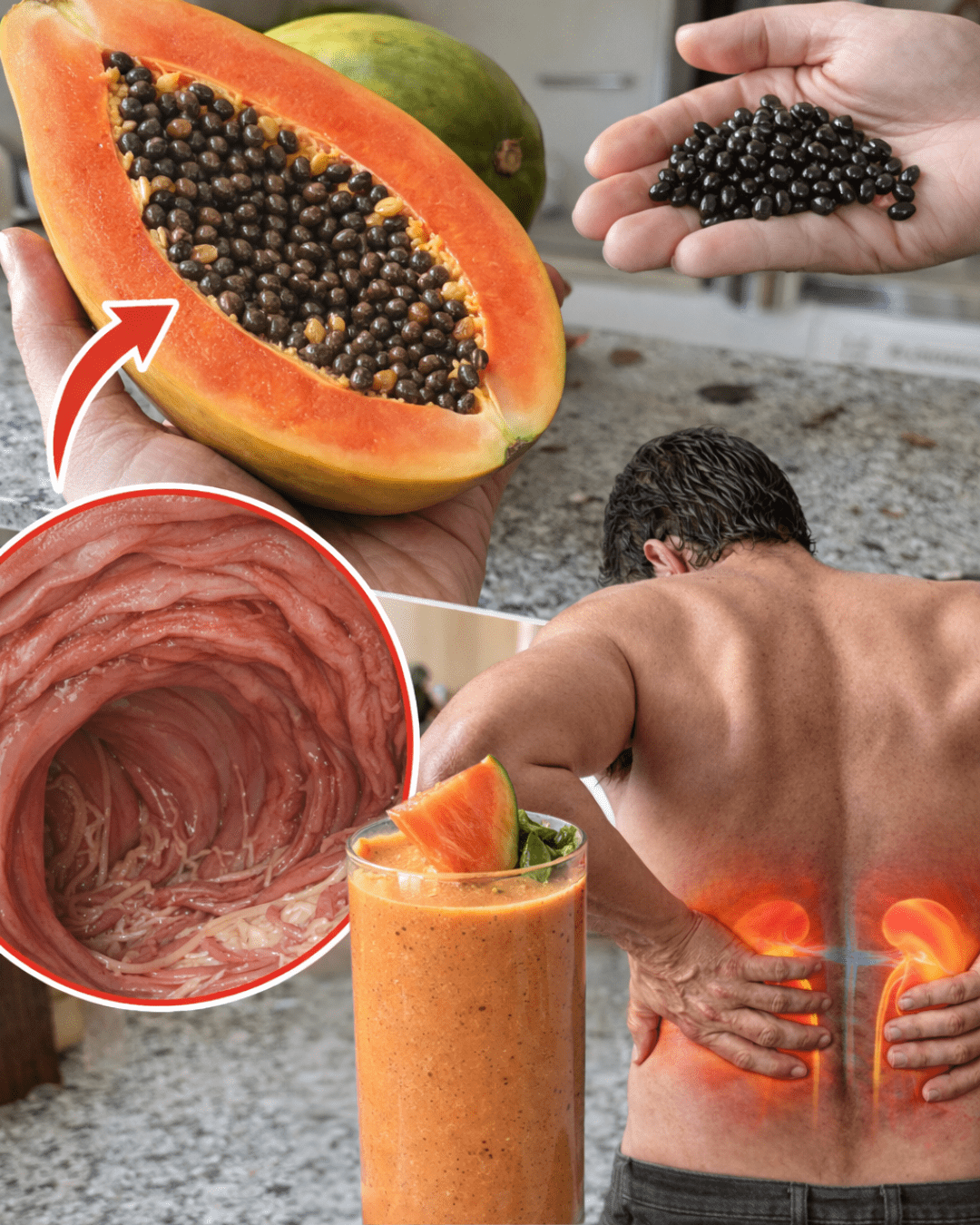
Many people enjoy the sweet, juicy flesh of papaya while discarding the small black seeds inside. These seeds are often overlooked, yet emerging research suggests they contain beneficial nutrients like fiber, antioxidants, and enzymes that may support overall wellness when added to your diet in moderation.
But that’s not the full story. Keep reading to discover what studies show about incorporating papaya seeds into daily habits and practical ways to try them safely.
What Makes Papaya Seeds Nutritionally Interesting?
Papaya seeds are packed with compounds that have caught researchers’ attention.
They provide dietary fiber, healthy fats, and plant-based nutrients including polyphenols and flavonoids. These elements contribute to the seeds’ potential role in supporting various aspects of health.
Studies indicate that extracts from papaya seeds exhibit strong antioxidant activity, helping neutralize free radicals in lab settings. This could play a part in promoting cellular health over time.
The seeds also contain papain, a natural enzyme known for breaking down proteins. Research on fermented papaya preparations has linked this enzyme to improved digestive comfort in some cases.
Here’s a quick overview of key nutrients found in papaya seeds based on available analyses:
| Nutrient/Compound | Potential Role |
|---|---|
| Fiber | Supports regular bowel movements |
| Polyphenols & Flavonoids | Antioxidant effects |
| Papain Enzyme | Aids protein digestion |
| Healthy Fats (e.g., oleic acid) | Contributes to heart-friendly profiles |
But remember, these are from studies on extracts or the fruit—real-world benefits depend on moderate consumption.
How Papaya Seeds May Support Digestive Wellness
Digestive discomfort like occasional bloating or irregularity affects many adults.
Papaya seeds’ high fiber content can help promote smoother digestion. The papain enzyme may assist in breaking down proteins more efficiently.
One small study on fermented papaya showed improvements in constipation and bloating symptoms. While not directly on seeds alone, the shared enzymes suggest similar potential.
Many people report feeling more comfortable after adding small amounts of seeds to their routine. Starting slow allows your body to adjust.
The Antioxidant Boost from Tiny Seeds
Oxidative stress from daily life can impact wellness over time.
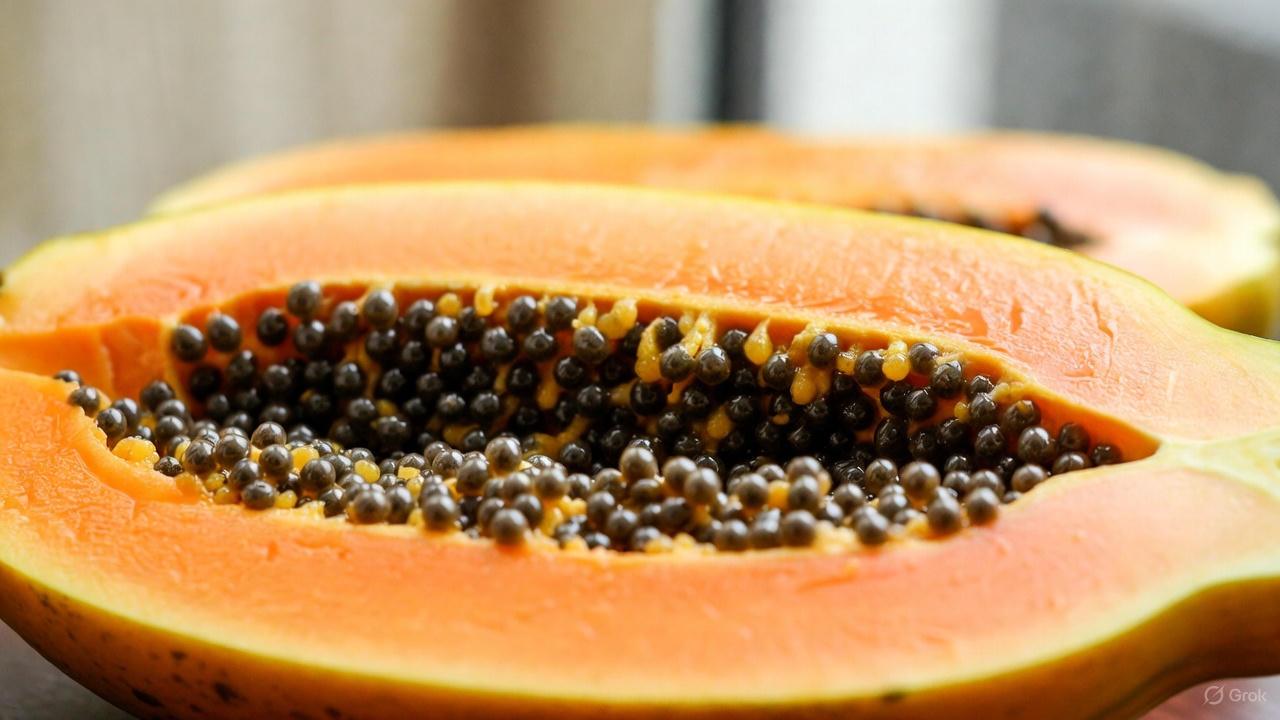
Papaya seeds are rich in antioxidants like phenolic compounds and vitamin C precursors. Lab research demonstrates strong free-radical scavenging abilities.
Animal studies have shown papaya seed extracts protecting cells from damage. This could indirectly support vitality and inflammation balance.
Here’s what some research highlights:
- Stronger antioxidant activity than some common references in certain tests.
- Potential to combat everyday environmental stressors.
The interesting part? Grinding fresh seeds may preserve more of these compounds.
Potential Support for Liver and Detox Processes
Your liver works hard to filter toxins naturally.
Preliminary animal research suggests papaya seed extracts may offer protective effects against liver stress. Antioxidants in the seeds help maintain balance during challenges.
One review noted dose-dependent benefits in reducing oxidative markers. Human evidence is limited, but the nutrient profile aligns with liver-friendly foods.
Pairing seeds with a balanced diet amplifies these gentle effects.
Other Areas Where Research Shows Promise
Studies explore papaya seeds beyond digestion and antioxidants:
Parasite and Microbial Balance
Traditional uses include natural antiparasitic support. A pilot study in children found dried seeds reduced certain intestinal parasites effectively and safely.
Lab tests show antibacterial properties against common pathogens.
Inflammation and Immunity
Anti-inflammatory compounds may help calm responses. Animal models indicate reduced swelling markers.
Kidney Health
Some research points to protective effects on kidney function through antioxidants.
Heart and Metabolic Support
Healthy fats and fiber could contribute to better cholesterol profiles in broader diets.
These findings come mostly from lab or animal studies—more human research is needed.
But that’s just the beginning. The real value lies in consistent, small habits.
Practical Ways to Incorporate Papaya Seeds Safely
Ready to try? Start small to avoid digestive upset.
Step-by-Step Guide:
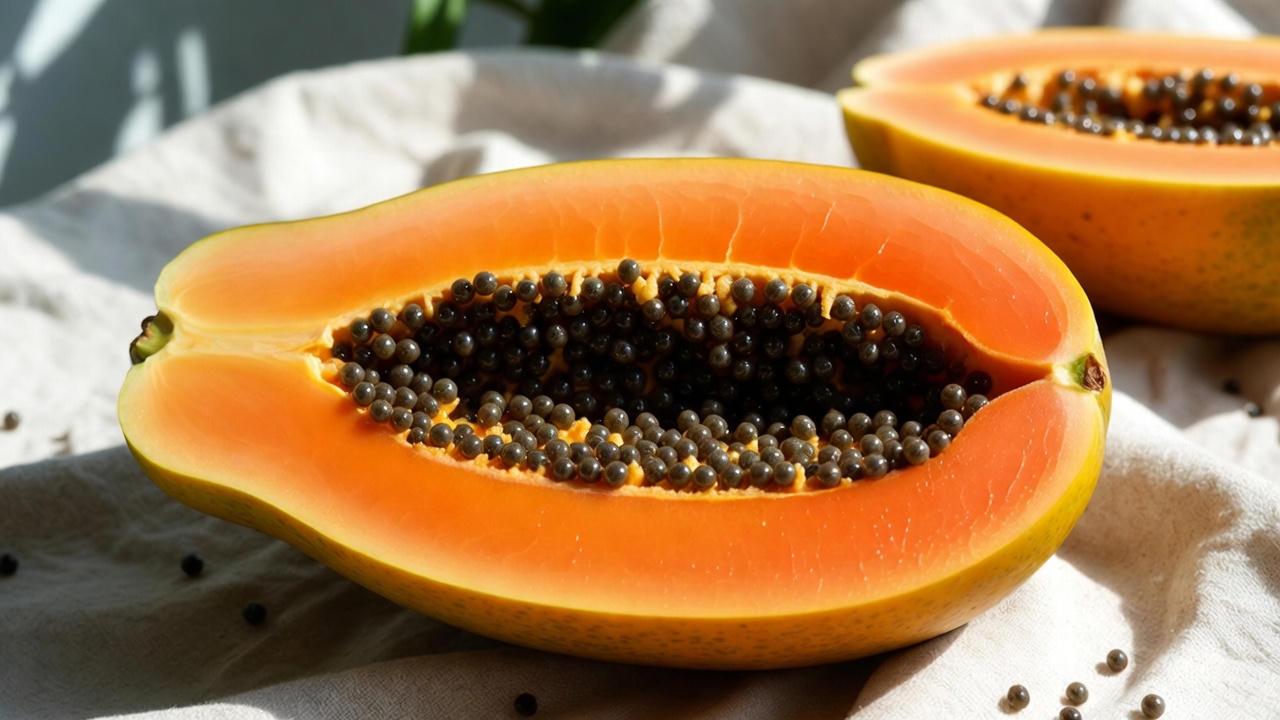
- Scoop seeds from a ripe papaya and rinse them clean.
- Dry them in the sun or low oven for easier use (reduces bitterness).
- Grind into powder or chew a few whole.
- Begin with 1/2 teaspoon daily, building to 1 teaspoon.
Easy ideas:
- Add ground seeds to smoothies for a peppery kick.
- Sprinkle on salads or yogurt.
- Mix into dressings or teas (steep dried seeds).
- Use as a mild pepper substitute in recipes.
Pro tip: Combine with lemon for better absorption.
| Consumption Method | Daily Amount Suggestion | Tips |
|---|---|---|
| Fresh chewed | 5–10 seeds | Mildest from smaller papayas |
| Dried and ground | 1 teaspoon | Store in airtight jar |
| In smoothies | 1/2–1 teaspoon | Blends bitterness away |
| As tea | Steep 1 teaspoon | Drink in evenings |
Consistency matters more than large doses.
FAQ: Common Questions About Papaya Seeds
Are papaya seeds safe to eat every day?
In moderation (1 teaspoon or less), yes for most people. Start low and monitor how you feel.
Can they help with parasites naturally?
Some small studies suggest yes for certain types, but consult a doctor for any concerns— they’re not a replacement for medical advice.
What about side effects?
Too many can cause stomach discomfort or loose stools due to fiber. Rare allergies possible. Avoid high amounts if pregnant or planning pregnancy.
Final Thoughts
Exploring papaya seeds offers a simple way to add nutrients from a familiar fruit. Research points to potential in digestion, antioxidants, and more—but results vary by individual.
Focus on whole-food habits alongside these additions for best outcomes.
Disclaimer: This information is for educational purposes only and is not medical advice. Papaya seeds may support wellness based on limited studies, but individual results differ. Always consult your healthcare provider before adding new foods, especially if you have conditions, take medications, or are pregnant/nursing.


