Have you ever scooped out those small black papaya seeds or discarded the green leaves while enjoying the sweet, juicy flesh of this tropical fruit? Many people feel frustrated with ongoing digestive discomfort, like occasional bloating or irregularity, despite trying various fiber sources and routines. That persistent sluggish feeling can make everyday meals less enjoyable and leave you searching for something more effective. The good news is, parts of the papaya you’ve likely been tossing might offer natural support you’ve overlooked—and exploring them could be a simple way to feel more comfortable.
But here’s something interesting: research points to unique compounds in both the seeds and leaves that have caught the attention of scientists for their potential role in supporting digestion and overall wellness. Keep reading to discover why these often-ignored parts deserve a second look.
The Papaya Plant: A Source of Everyday Nutritional Support
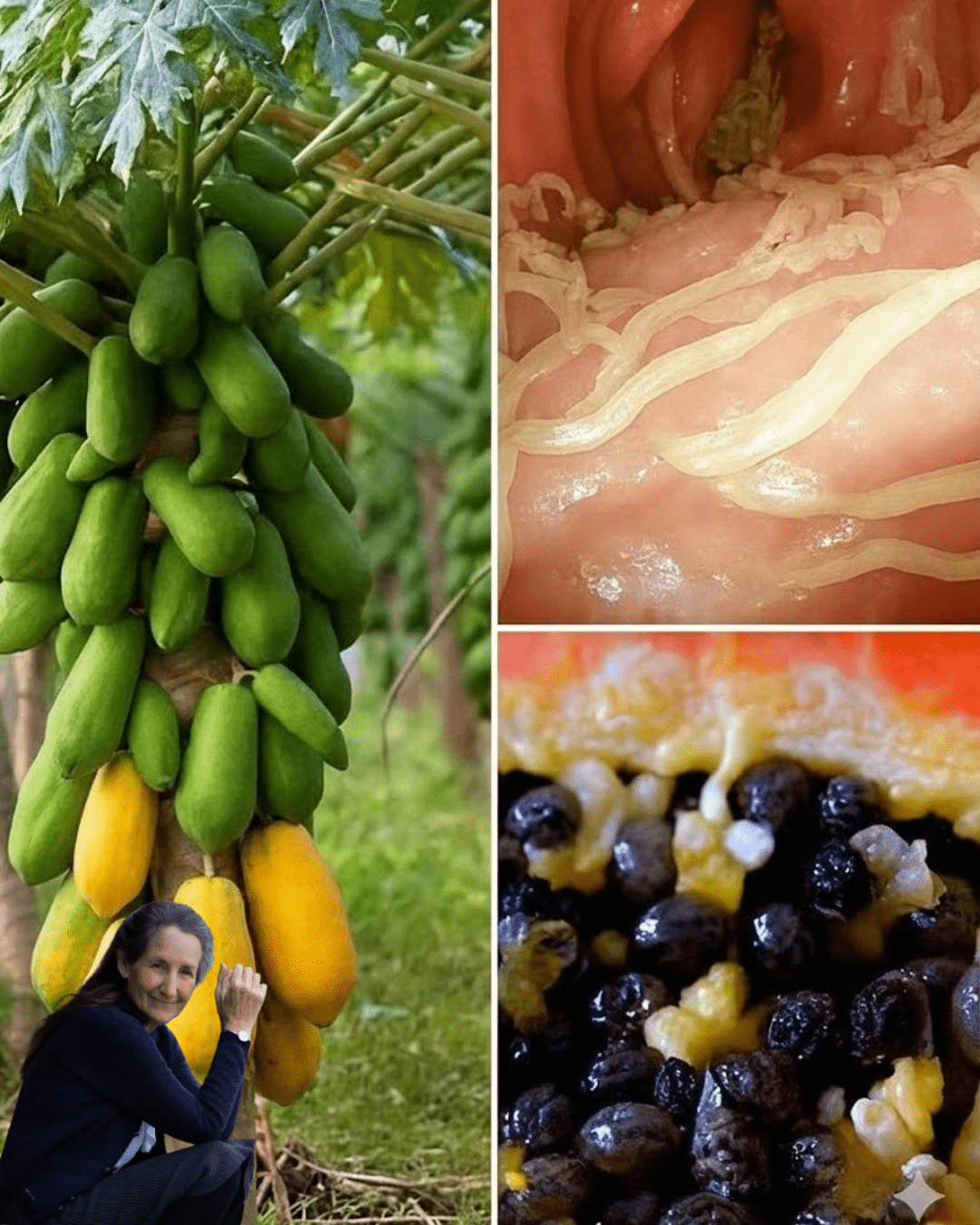
Papaya, scientifically known as Carica papaya, is a tropical favorite valued for its vibrant flesh rich in vitamin C and antioxidants. Yet, the seeds and leaves contain concentrated nutrients that studies suggest may provide additional benefits. Traditional uses around the world have incorporated these parts into teas and remedies for generations.
Research shows that different components of the papaya plant, including seeds and leaves, are packed with enzymes, fiber, and plant compounds. These may help the body in ways the fruit alone cannot. But that’s not all—let’s dive into what makes the seeds stand out.
Discovering the Potential of Papaya Seeds
Most of us rinse away papaya seeds without a second thought, viewing them as bitter and unnecessary. However, these tiny seeds are nutrient-dense and have been studied for their unique properties.
Why Papaya Seeds Are Worth Keeping
Studies indicate that papaya seeds contain papain, a natural enzyme also found in the fruit but more concentrated here. This enzyme assists in breaking down proteins, which may ease digestion after meals.
- Support for Protein Breakdown: Papain helps process complex proteins, potentially reducing feelings of heaviness or bloating.
- Fiber for Regularity: The seeds provide dietary fiber that supports smooth bowel movements.
- Antioxidant Compounds: Research highlights polyphenols and flavonoids in seeds that contribute to overall cellular health.
One review of studies noted papaya seeds’ role in promoting a balanced gut environment in lab and animal models. While human research is ongoing, these findings explain why some people incorporate small amounts into their routines.
Here’s a quick comparison of key compounds:
| Compound | Found In | Potential Role |
|---|---|---|
| Papain Enzyme | Seeds & Flesh | Aids protein digestion |
| Dietary Fiber | Seeds | Supports bowel regularity |
| Flavonoids & Polyphenols | Seeds | Provide antioxidant support |
The best part? You only need a small amount to explore these effects—starting slow is key.
Exploring Papaya Leaves: A Nutrient-Rich Addition
Beyond the seeds, papaya leaves are another underused part of the plant. Traditionally brewed into tea, they offer a higher concentration of certain vitamins and plant compounds than the fruit.

What Research Says About Papaya Leaves
Studies show papaya leaves are loaded with vitamins A, C, and E, plus flavonoids that act as antioxidants. These may help the body maintain balance and vitality.
- Rich Nutrient Profile: High levels of vitamins support immune function and energy.
- Traditional Tea Use: Often prepared as a mild infusion for general wellness.
Animal and lab studies suggest leaf extracts have anti-inflammatory and protective effects, but human trials are limited. Many find adding leaf tea to their day a gentle way to tap into these nutrients.
This is where it gets practical: preparing leaves is straightforward and customizable.
Easy Ways to Incorporate Papaya Seeds into Your Routine
Ready to give seeds a try? Start small to see how your body responds.
- Begin Gently: Use just 1/4 to 1/2 teaspoon of fresh or dried seeds daily.
- Chew or Blend: Chew thoroughly for maximum enzyme release, or grind and add to smoothies, yogurt, or salads—the peppery flavor works like a mild spice.
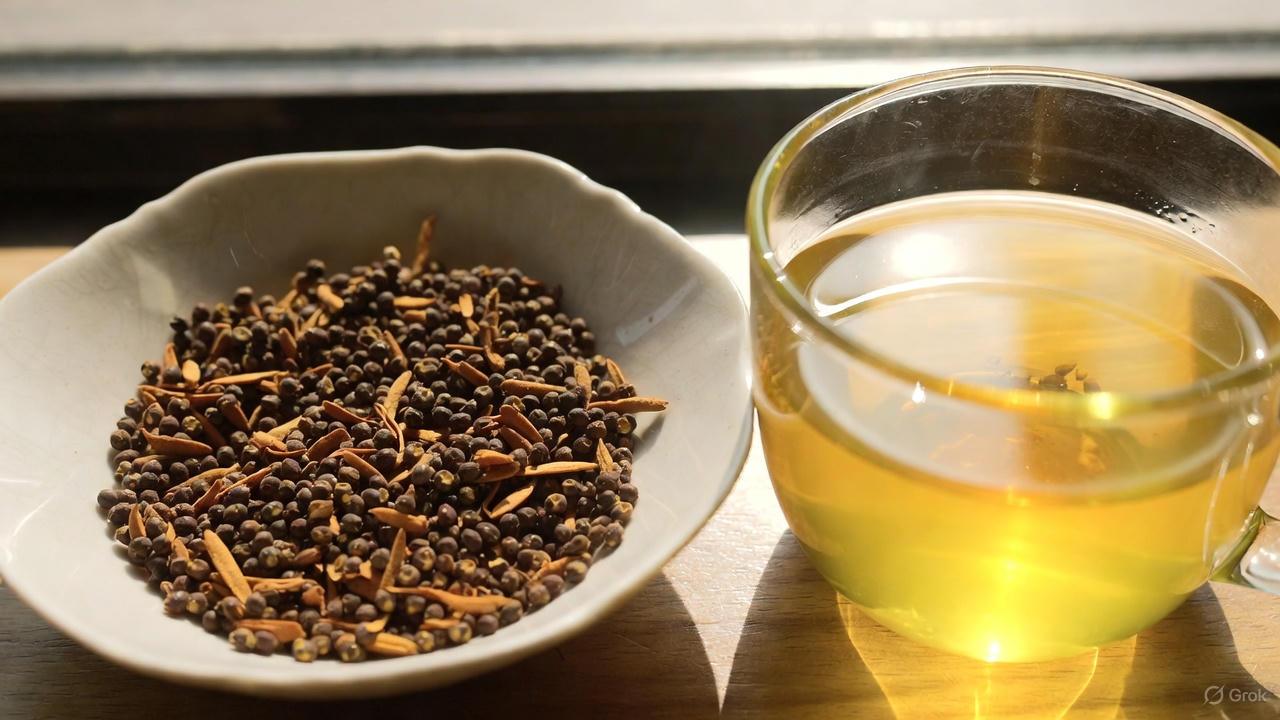
- Dry for Convenience: Rinse, dry in the sun or oven on low heat, then grind into powder for easy sprinkling.
Consistency matters more than large amounts. Many notice better comfort with regular, moderate use.
Simple Steps to Make Papaya Leaf Tea at Home
Papaya leaf tea is bitter on its own, but easy to prepare and mellow with additions.
- Select Leaves: Choose young, green leaves from a healthy plant. Wash thoroughly.
- Prepare: Chop 2-3 medium leaves.
- Brew: Add to 2 cups boiling water, simmer 10-15 minutes, then strain.
- Enjoy: Sip 1/4 to 1/2 cup once daily. Add honey or mix into a smoothie to soften the taste.
Store leftovers in the fridge for up to 3 days. This method extracts the beneficial compounds gently.
But here’s the exciting part: combining seeds and leaves lets you benefit from the whole plant’s complementary nutrients.
Embracing the Full Potential of Papaya
By saving papaya seeds and brewing the leaves, you’re accessing a broader range of natural compounds studied for digestive and wellness support. Small habits like these can make a noticeable difference in how you feel day to day.
Research continues to explore these parts of the papaya plant, with promising early results from lab, animal, and some human studies. Incorporating them mindfully might be the easy adjustment you’ve been looking for.
Frequently Asked Questions
Q1: Is it safe to consume papaya seeds daily?
Yes, in small amounts like 1/4 to 1 teaspoon for most healthy adults. Start low and monitor how you feel—discontinue if any discomfort occurs.
Q2: How do papaya seeds and leaves differ in their potential benefits?
Seeds are often highlighted for enzyme and fiber content that may support digestion, while leaves provide concentrated vitamins and antioxidants for general vitality.
Q3: Can everyone use papaya seeds or leaf tea?
Most adults can try them in moderation, but consult a healthcare provider if pregnant, breastfeeding, or managing a health condition.
Disclaimer: This article is for informational purposes only and is not intended as medical advice, diagnosis, or treatment. Always consult a qualified healthcare professional before making dietary changes or if you have health concerns.
(Word count: 1,248)