Every day, many of us deal with dull skin that feels dry and lacks glow, or hair that seems brittle and hard to manage despite trying various products. These common concerns can be frustrating, especially when busy routines leave little time for complicated care. The good news? There’s a straightforward, natural option right in your kitchen that generations have turned to for support.
But here’s what might surprise you: this everyday ingredient could become a gentle addition to your routine, and we’ll explore a few easy ways to make the most of it below.
What Exactly Is Rice Water and Why Does It Matter?
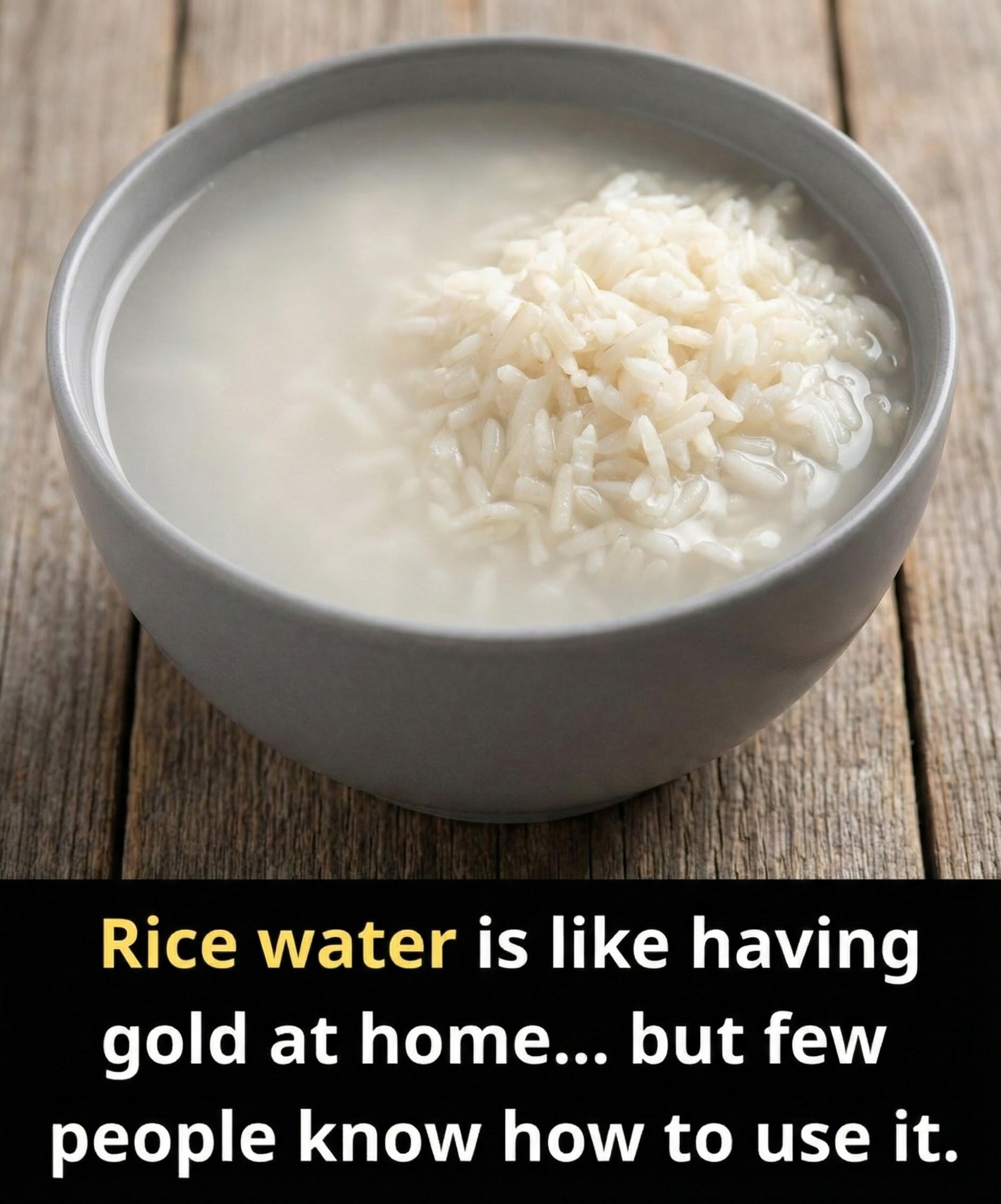
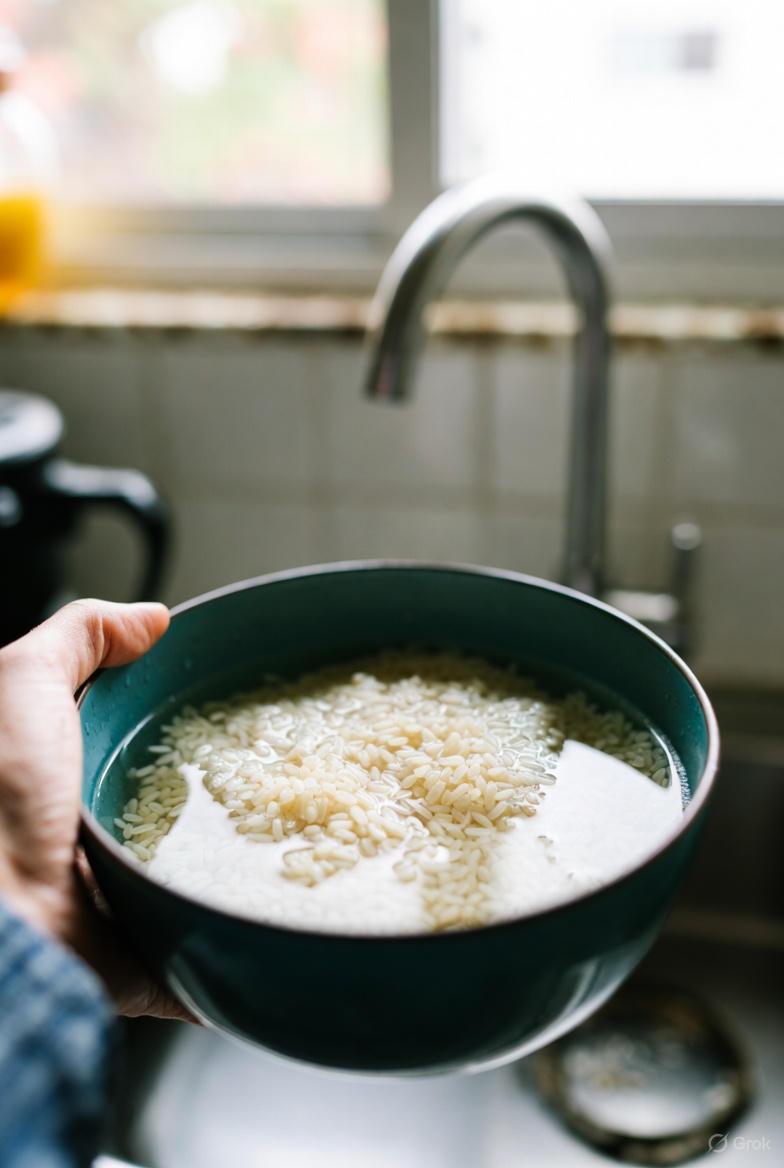
Rice water is simply the starchy liquid left after soaking or rinsing rice. It’s been part of traditional beauty practices in parts of Asia for centuries, where people noticed its potential to leave skin feeling smoother and hair looking shinier.
What makes it interesting? It contains natural compounds like vitamins, minerals, amino acids, and antioxidants. Research mentions that these elements, such as inositol and ferulic acid, may help support skin hydration and hair strength. For instance, some studies suggest rice-derived ingredients offer moisturizing and protective qualities.
The best part? It’s easy to prepare at home with items you likely already have.
How to Make Rice Water at Home: Step-by-Step Guides
Making rice water is quick and requires no special tools. Here are three common methods to try.
The Basic Soaking Method (Quick and Simple)
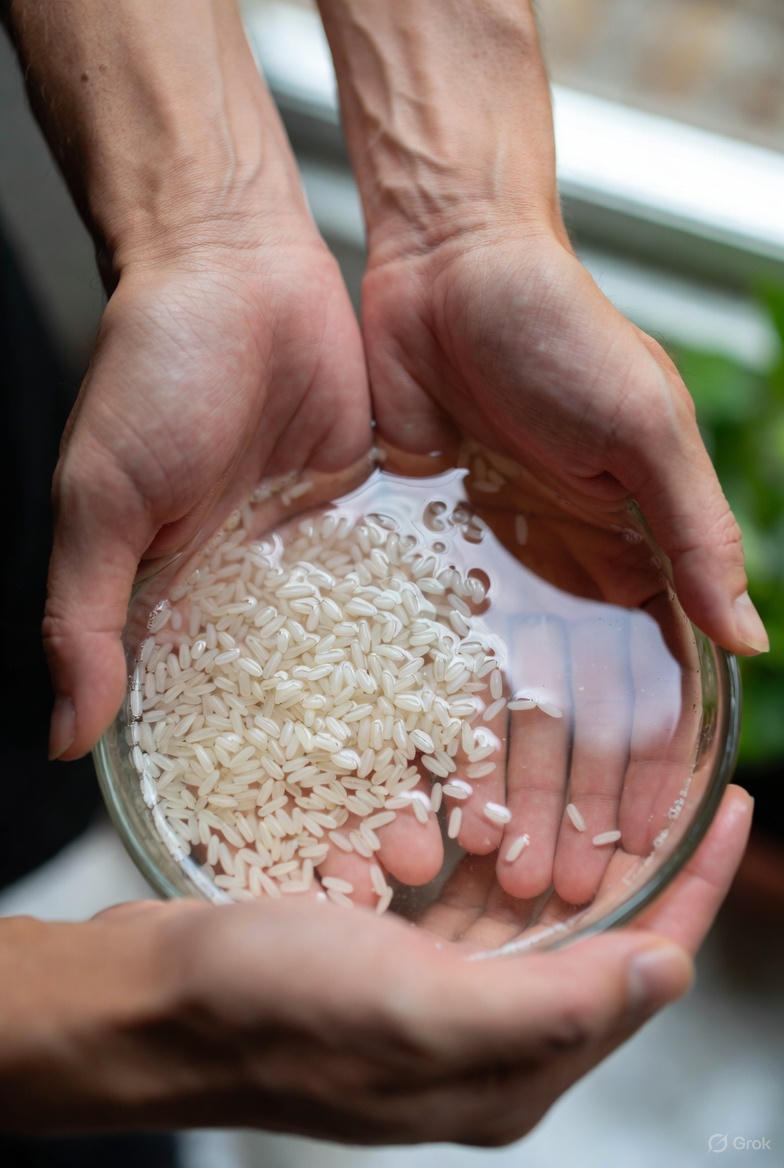
- Rinse ½ cup of uncooked rice under water to remove any dirt.
- Place the rinsed rice in a bowl with 2–3 cups of clean water.
- Let it soak for 30 minutes, stirring occasionally.
- Strain the cloudy water into a clean container.
This version is mild and ready to use right away.
The Boiling Method (For a Concentrated Version)
- Rinse ½ cup of rice.
- Add it to a pot with 4 cups of water.
- Bring to a boil, then simmer for 10–15 minutes until the water turns milky.
- Let it cool, then strain.
Many find this method gives a richer liquid.
The Fermentation Option (For Enhanced Potential)
- Start with the soaking method to get your rice water.
- Leave it in a covered container at room temperature for 12–24 hours (it may develop a slight sour smell).
- Refrigerate afterward to stop further fermentation.
Some sources note that fermentation might boost antioxidant levels, but start slowly to see how your skin or hair responds.
Store any rice water in the fridge and use within 3–4 days for freshness.
But that’s not all—let’s look at how people commonly incorporate it.
Everyday Ways to Use Rice Water for Your Skin
Rice water can serve as a gentle addition to skincare routines. Here’s how to try it:
- As a Facial Toner: Soak a cotton pad and gently swipe over clean skin. It may help balance and refresh.
- As a Face Mist: Pour into a spray bottle for a quick hydrate throughout the day.
- In a Soothing Mask: Soak a cloth or sheet mask and apply for 10–15 minutes.
Studies on rice components highlight potential soothing effects, especially for irritated skin. One review noted benefits like improved hydration and barrier support.
Quick Tips for Skin Application
- Always patch test on your inner arm first.
- Use 1–2 times daily after cleansing.
- Follow with your usual moisturizer.
This is the fun part—many report a brighter, softer feel over time.
Simple Ways to Incorporate Rice Water into Hair Care
For hair, rice water is often used as a rinse. Here’s a basic approach:
- Shampoo as usual.
- Pour diluted rice water (mix with plain water if concentrated) over your hair.
- Massage into scalp and lengths.
- Leave for 5–20 minutes, then rinse thoroughly.
Anecdotal reports and limited research suggest it may improve shine and manageability. One older study found it could reduce friction and support elasticity.
Benefits People Often Notice for Hair
- Smoother texture
- Added shine
- Easier detangling
Use weekly or bi-weekly to avoid buildup.
Here’s a quick comparison of methods:
| Method | Time Needed | Strength | Best For |
|---|---|---|---|
| Soaking | 30 minutes | Mild | Beginners, daily use |
| Boiling | 15–20 minutes | Medium | Concentrated rinse |
| Fermented | 24+ hours | Stronger | Occasional deep treatment |
What Does the Research Say About Rice Water?
While traditional use is widespread, modern studies are emerging. Reviews of rice-derived ingredients point to antioxidant and moisturizing properties. For example:
- Some lab tests show potential to support skin elasticity.
- Hair studies indicate possible strengthening effects from compounds like inositol.
Experts emphasize that results vary, and more large-scale research is needed. It’s a complementary option, not a replacement for proven care.
Here’s what stands out from common experiences:
- Gentle and affordable
- Natural source of nutrients
- Versatile for skin and hair
But remember, individual results differ.
Conclusion: A Worthwhile Addition to Your Routine
Rice water offers a simple, time-tested way to explore natural support for skin and hair. From easy preparation to gentle application, it’s accessible for anyone looking to enhance their daily habits.
Start small, listen to your skin and hair, and enjoy the process. Many find it a refreshing change that fits seamlessly into busy lives.
Frequently Asked Questions
How often should I use rice water on my face?
Most people try 1–2 times a day as a toner. Adjust based on how your skin feels.
Can rice water help with hair growth?
While some report thicker-looking hair, evidence is mostly anecdotal. Consistent use may support overall health.
Is fermented rice water better?
It may have higher antioxidant potential due to the process, but plain versions work well too. Choose what suits you.
Disclaimer: This information is for educational purposes only and is not intended to diagnose, treat, or prevent any condition. Always consult a healthcare professional before trying new routines, especially if you have sensitive skin or scalp concerns. Patch testing is recommended.