
Many people curl up on their preferred side to drift off, feeling cozy and secure, only to wake up with lingering discomfort, occasional heartburn, or a sense that their rest wasn’t fully refreshing. It’s common to wonder why sleep sometimes leaves you feeling less energized, especially if you’ve stuck with the same position for years. The good news is that small, evidence-based adjustments to your sleeping posture can make a meaningful difference in comfort and overnight recovery.
But here’s something worth exploring further: research shows that not all side positions support your body’s natural processes equally, and one option often stands out for everyday wellness. Keep reading to discover what studies suggest about left versus right side sleeping—and how a gentle shift could help you wake up feeling more refreshed.
Why Side Sleeping Is So Popular Among Adults
Over 60% of adults prefer sleeping on their side, according to various sleep surveys. This position often feels natural and supportive, helping maintain spinal alignment better than stomach sleeping while reducing issues like snoring compared to back sleeping.
Side sleeping can also promote easier breathing for many people. It’s no surprise it’s a go-to choice—curling up fetal-style provides a sense of security and comfort.
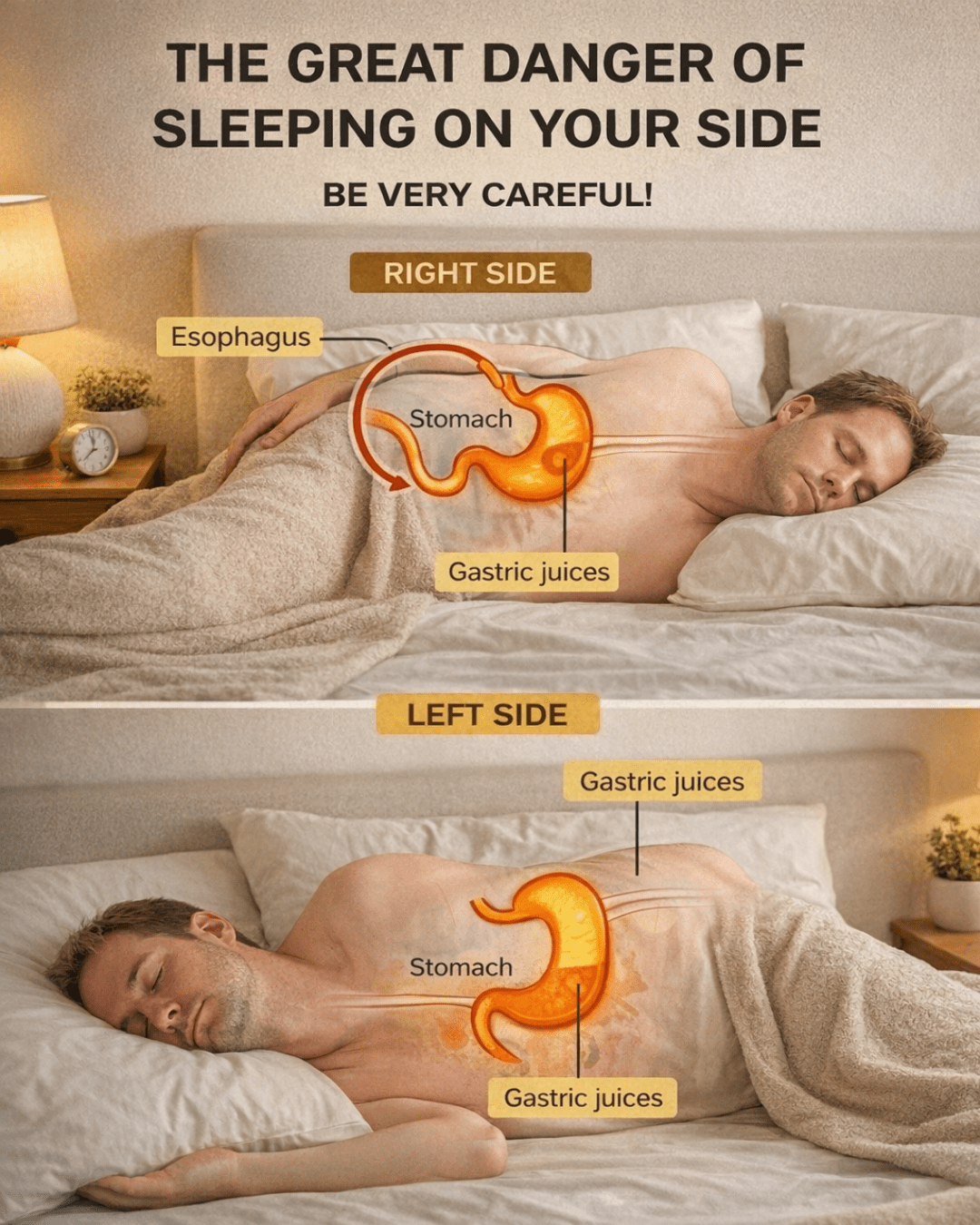
That said, the body isn’t perfectly symmetrical. Organs like the stomach and heart are positioned asymmetrically, meaning gravity interacts differently depending on which side you’re on. This can influence digestion, acid reflux, and even circulation overnight.
The interesting part? Studies indicate one side may align better with these natural processes.
What Research Says About Sleeping on Your Right Side
While right-side sleeping works well for some, certain studies highlight potential drawbacks, particularly for digestion and reflux.
For example:
- Multiple studies, including those reviewed in the Journal of Clinical Gastroenterology and The American Journal of Gastroenterology, note that right-side sleeping can allow stomach contents to more easily reach the esophagus, increasing exposure to acid.
- This position may not optimize gravity’s role in keeping acid down, potentially leading to more nighttime discomfort for those prone to occasional heartburn.
- Some experts, including those at Johns Hopkins Medicine, point out that right-side sleeping can sometimes aggravate reflux symptoms compared to the left.
These effects vary by individual—many sleep comfortably on their right without issues. But if you occasionally notice morning grogginess or digestive unease, position could play a role.
Here’s the encouraging finding: switching sides has shown benefits in research.

Potential Benefits of Trying the Left Side: What Studies Suggest
A growing body of evidence, including meta-analyses and reviews in journals like World Journal of Clinical Cases, points to left-side sleeping as supportive for several functions:
- Gravity helps keep the stomach-esophagus junction above acid levels, reducing exposure time.
- Studies show faster clearance of any reflux and fewer nocturnal symptoms.
- This position may ease pressure on major vessels, supporting smoother circulation.
- Animal research on brain waste clearance (glymphatic system) indicates side sleeping in general aids efficiency, with lateral positions outperforming others.
Experts from Mayo Clinic and Johns Hopkins often highlight side sleeping overall as beneficial, with left-side noted for specific concerns like occasional reflux.
Of course, individual experiences differ—what feels best for you matters most.
Quick Comparison: Left vs. Right Side Sleeping Insights from Research
| Aspect | Left Side Observations | Right Side Observations |
|---|---|---|
| Occasional Reflux | May reduce acid exposure and clearance time | Can increase likelihood of acid rising |
| Digestion Support | Gravity assists food movement | May not optimize as effectively |
| Circulation | Potentially less pressure on major vessels | Some subtle effects noted in certain cases |
| Brain Waste Clearance | Supports lateral efficiency (general side) | Similar to left, but side preferred overall |
How Do Back and Stomach Positions Compare?
No single position suits everyone perfectly. Here’s a balanced look:
Back Sleeping Pros:
- Helps maintain neutral spine alignment.
- Can reduce pressure on face and neck.
Back Sleeping Considerations:
- May worsen snoring or breathing pauses.
- Sometimes linked to more reflux in studies.
Stomach Sleeping Pros:
- Feels comfortable for a small percentage of people.
Stomach Sleeping Considerations:
- Can strain the neck from head turning.
- Often flattens natural spine curve, leading to discomfort.
Most experts agree side sleeping offers a strong balance for general comfort and support.
Practical Steps to Try Left-Side Sleeping Comfortably
Changing habits takes time, but many adapt within weeks and notice differences. Start with these actionable tips:
- Begin by falling asleep on your left—your body may naturally shift, but consistency helps.
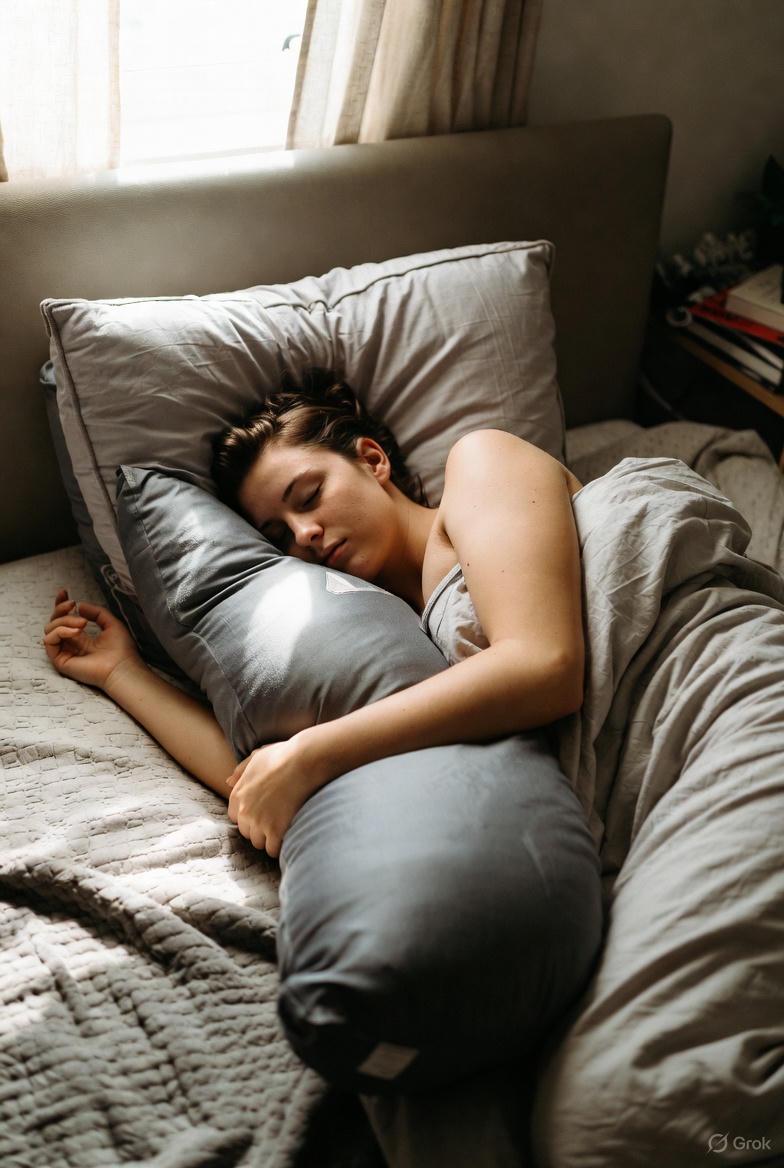
- Use a body pillow behind your back to prevent rolling over.
- Place a pillow between your knees for hip and spine alignment.
- Hug a pillow in front for added stability and comfort.
- Opt for a supportive medium-firm pillow that keeps your neck neutral.
Track how you feel after a few nights—deeper rest and easier mornings are common reports.
But that’s not everything…
Additional Everyday Habits to Enhance Restorative Sleep
Combining position with supportive routines can amplify benefits:
- Choose a mattress that provides contouring support without excessive sinking.
- Keep your room cool, dark, and quiet—aim for 60-67°F.
- Avoid screens an hour before bed to wind down naturally.
- Consider relaxing herbal teas like chamomile.
- Stick to a consistent bedtime, even on weekends.
These steps work together to support better overnight recovery.
Frequently Asked Questions
- Is one side always better for everyone?
No—personal comfort is key. Research suggests left-side may help with occasional reflux or digestion, but try both and see what suits you. Consult a professional for specific concerns. - How long until I adjust to a new position?
Most people adapt in 1-2 weeks with consistent effort, though it can take longer. Patience and supportive pillows make it easier. - What if I have back discomfort—which side should I try?
Side sleeping with knee support often helps. Experiment with left or right, adding pillows for alignment, and seek advice for ongoing issues.
Final Thoughts on Making Small Changes for Better Rest
Your preferred position can influence how refreshed you feel, and evidence from studies points to left-side sleeping as a gentle option for supporting digestion, reducing occasional reflux, and aligning with natural anatomy.
Pairing this with supportive setup and routines could lead to more energized days ahead.
Which side do you usually favor? Trying the left for a few nights might offer insights into what works best for your body.
Disclaimer: This article is for informational purposes only and is not intended as medical advice. Sleep experiences vary by individual. Consult a healthcare professional for personalized guidance, especially with ongoing health concerns.


